Stair
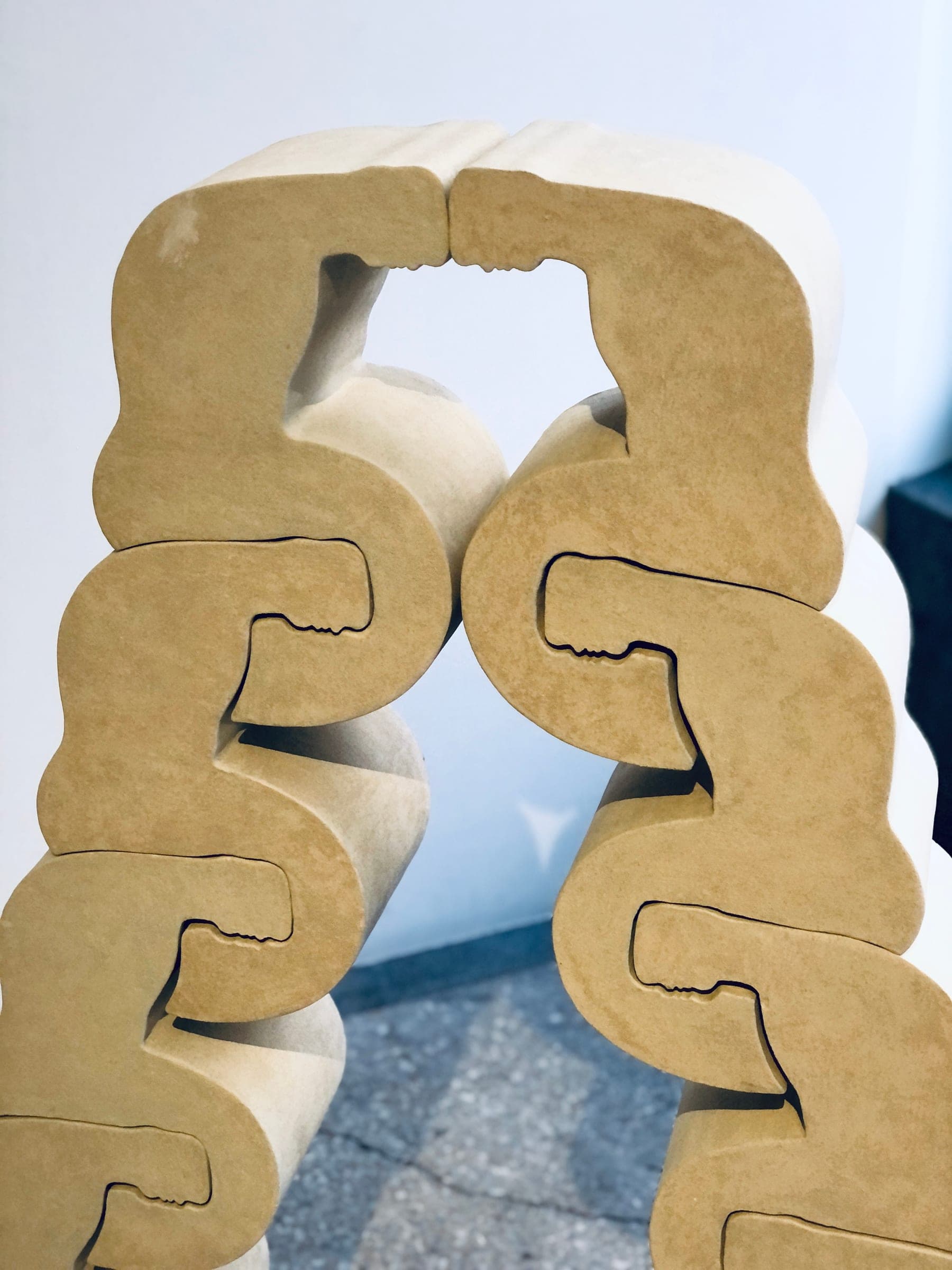
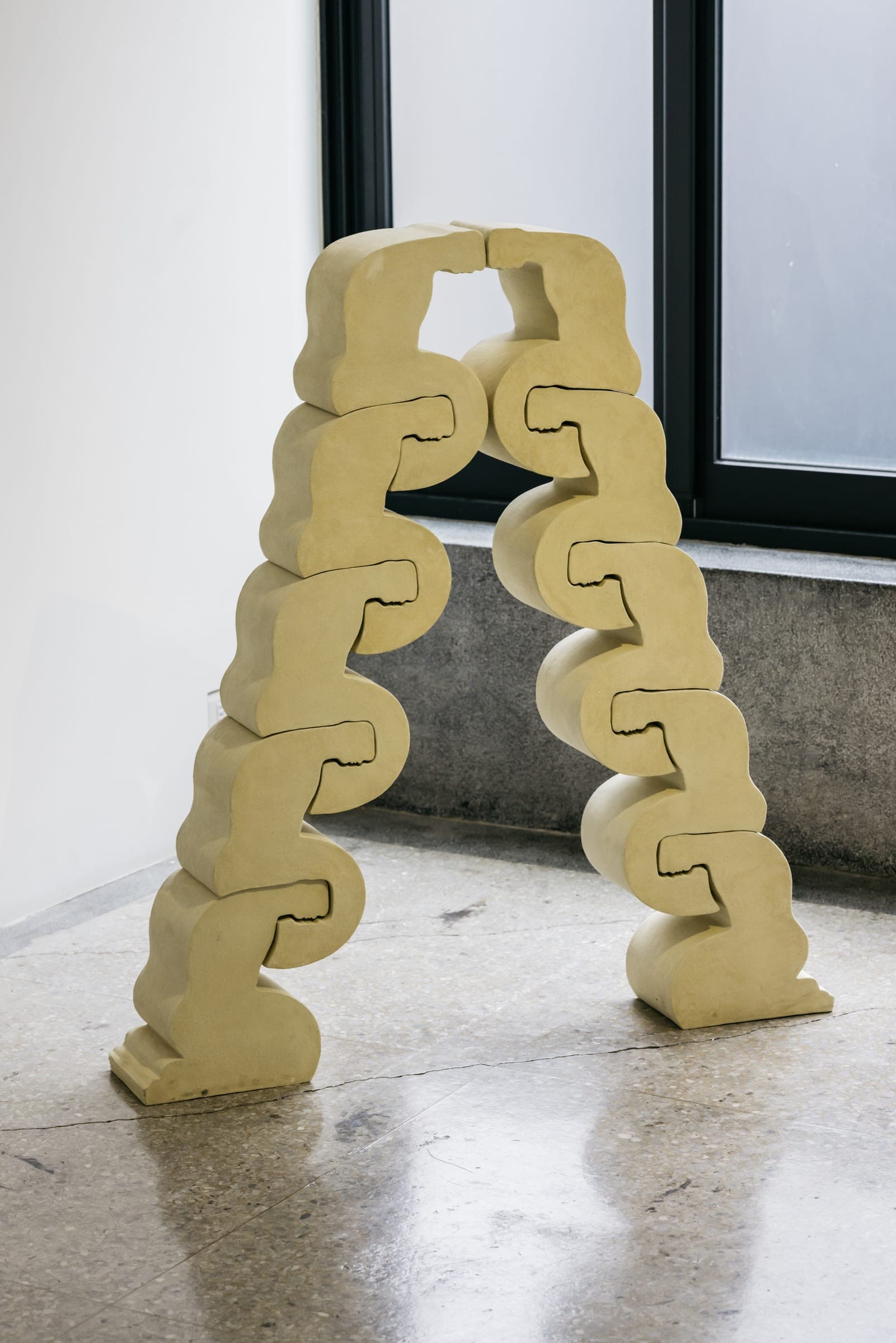
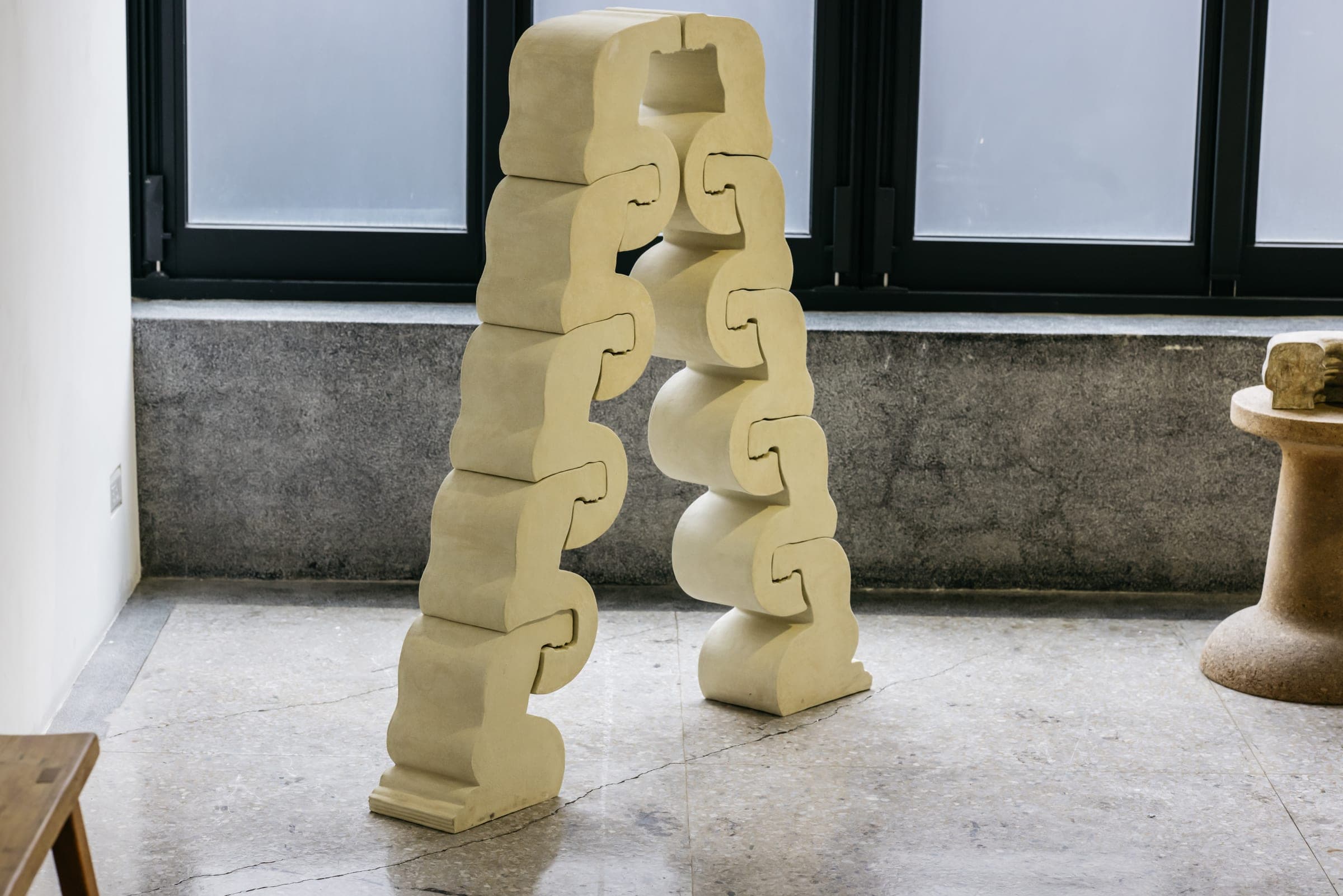
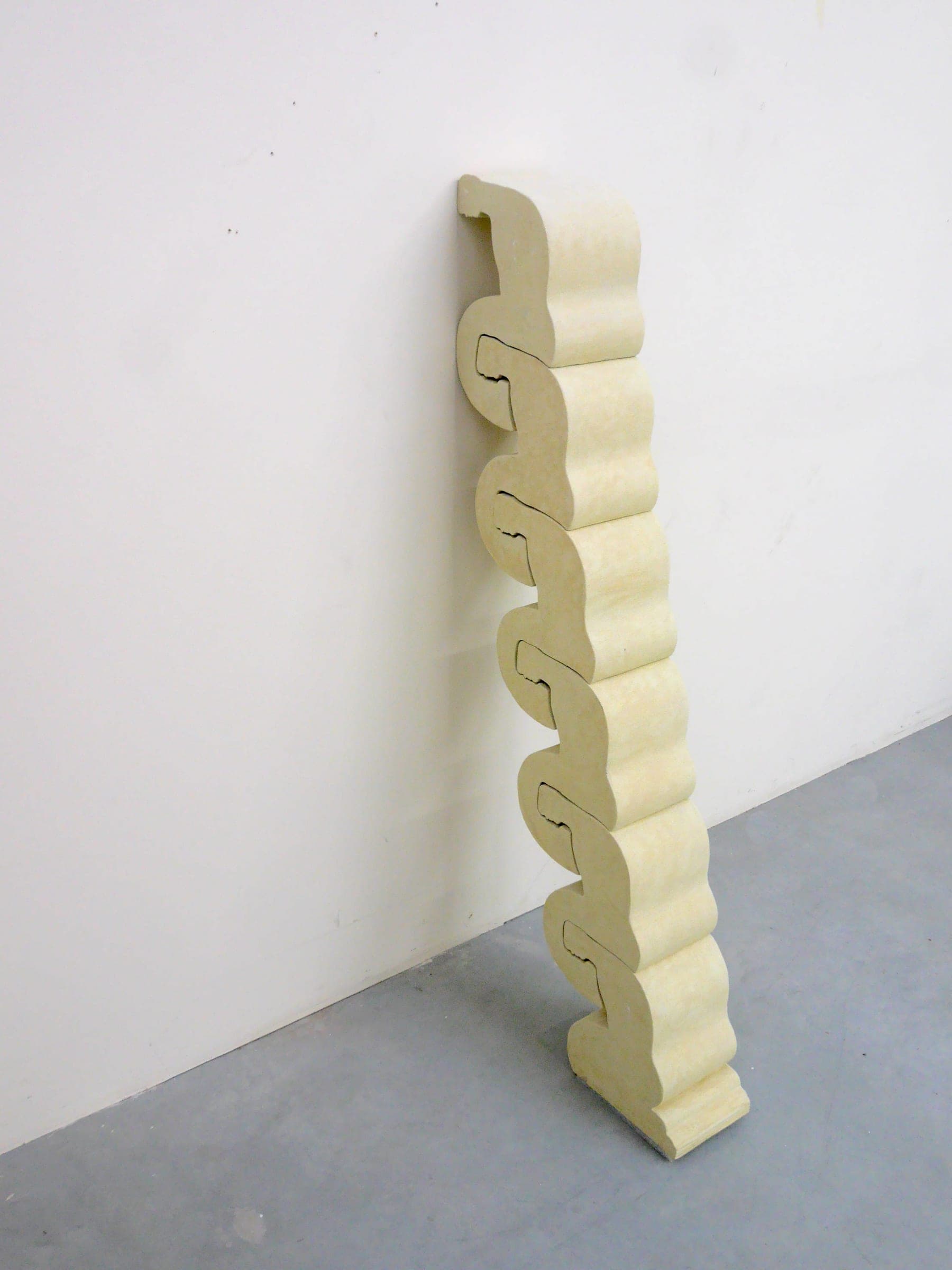
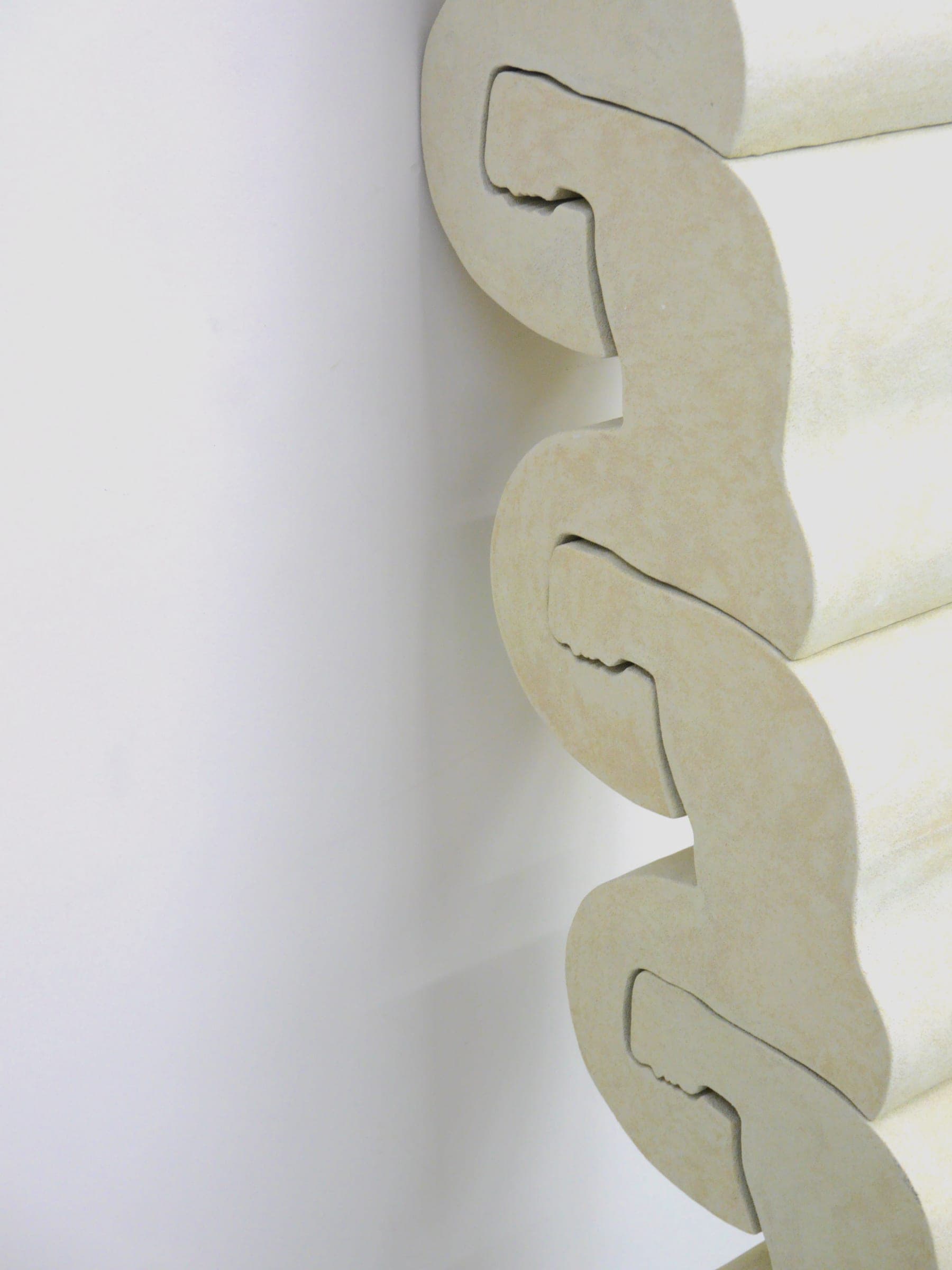
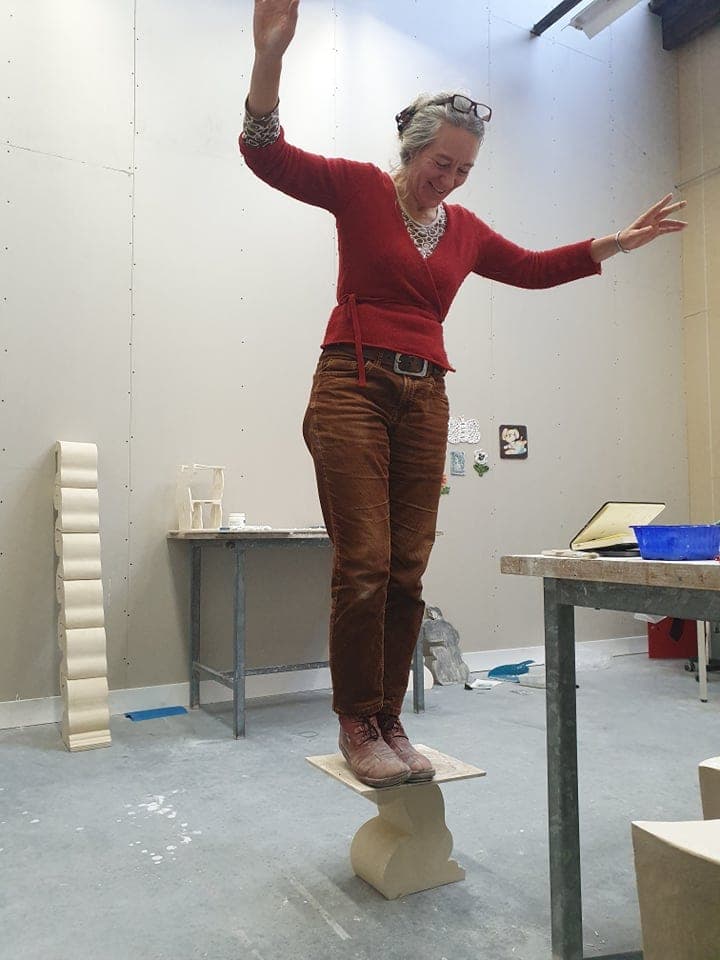
〈Stair〉為顏妤庭 2019 年於荷蘭歐洲陶藝中心駐村期間完成的陶瓷雕塑。作品以「階梯」作為基本形象,將建築性的結構語彙轉化為陶瓷的組構方式。階梯原本指向移動、攀升與通往他處的可能,但在作品中,它不再只是具有功能性的物件,而更像是一組被抽離出來的結構體,介於建築模型、家具與雕塑之間。
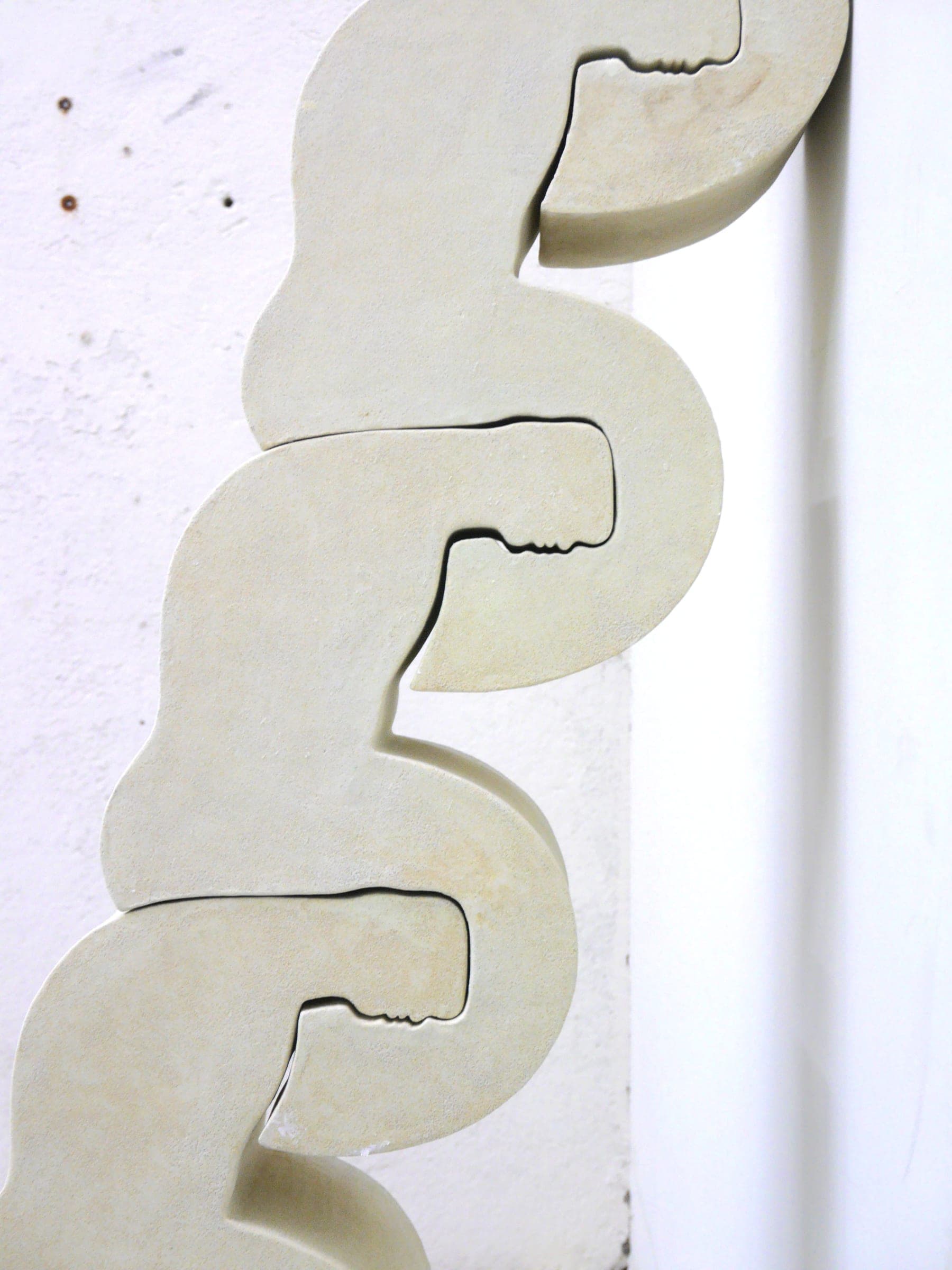
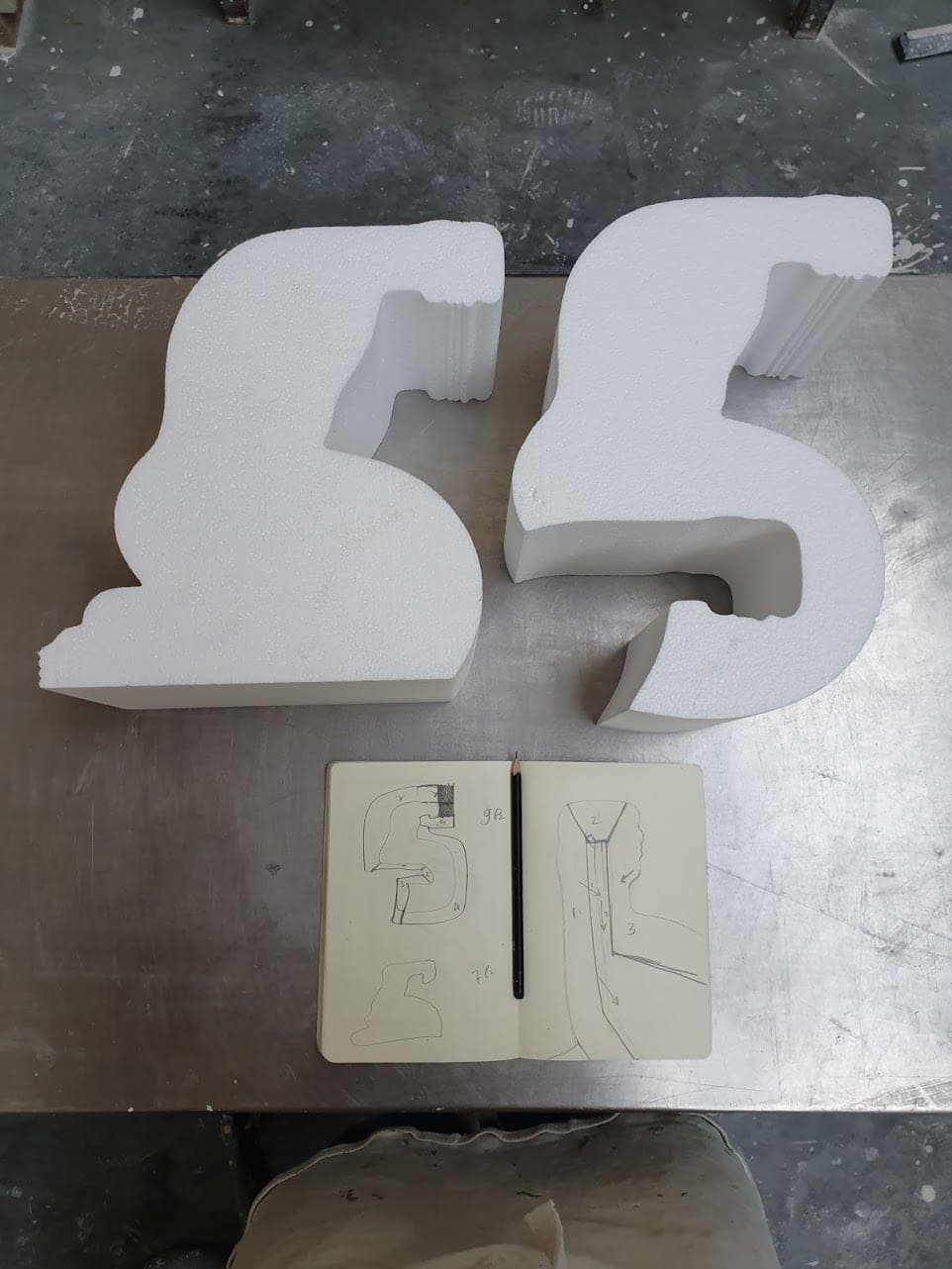
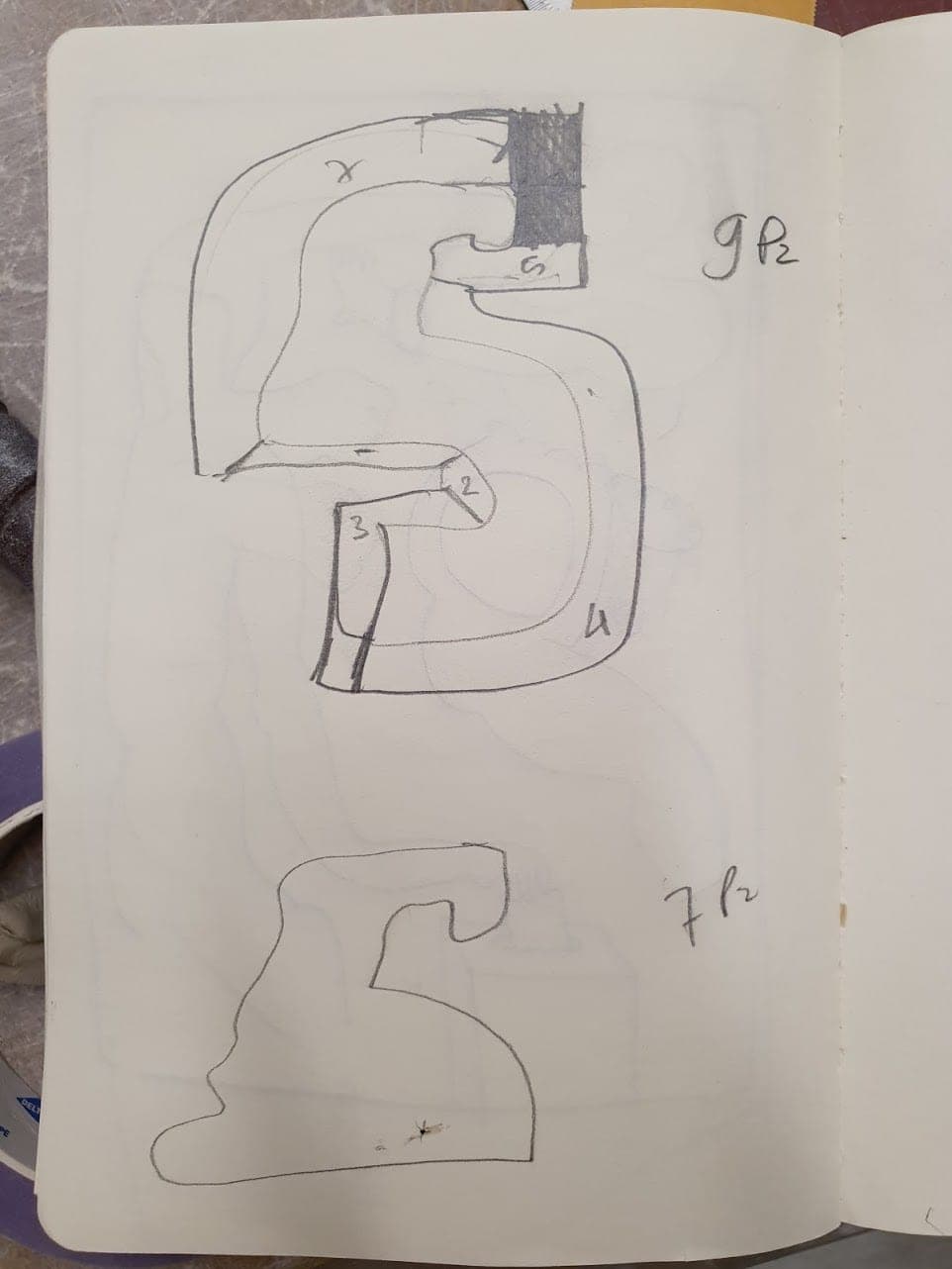
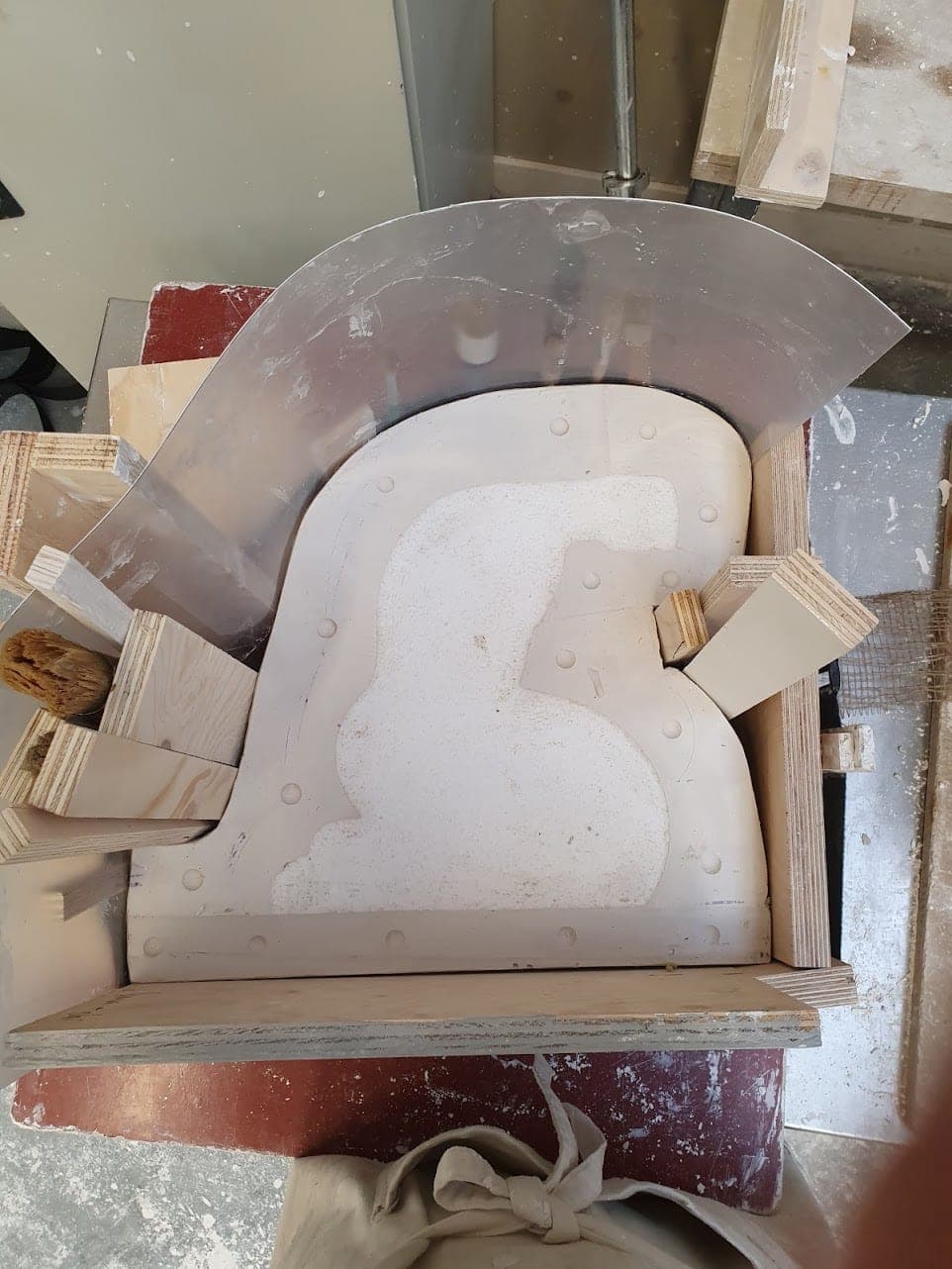
這件作品也可視為藝術家對陶瓷材料與結構關係的早期實驗。相較於單一封閉的雕塑形體,〈Stair〉更關注物件如何透過重複、接合與排列,形成新的空間狀態。陶瓷在此不只是被塑形的材料,也成為可以被組構、支撐與延展的單元。
在 2019 年的駐村經驗中,顏妤庭開始思考如何讓陶瓷作品突破單件物件的尺度限制,並進一步與空間產生關係。〈Stair〉看似指向一條向上的路徑,卻也讓人意識到任何結構都建立在接合、承重與支撐之上。作品在穩定與不穩定之間保留一種曖昧的狀態,也成為藝術家日後發展模組化陶瓷雕塑的重要起點。
Stair is a ceramic sculpture created by Yu-Ting Yen in 2019 during her residency at the European Ceramic Work Centre in the Netherlands. Taking the form of a stairway as its point of departure, the work transforms an architectural language of structure into a ceramic mode of construction. While a stairway usually suggests movement, ascent, and the possibility of reaching another place, in this work it is detached from its functional role and becomes a structural form situated between architectural model, furniture, and sculpture.
The work can also be seen as an early experiment in Yen's exploration of the relationship between ceramic material and structure. Rather than presenting a single enclosed sculptural form, Stair focuses on how objects generate new spatial conditions through repetition, joining, and arrangement. Ceramics here are not only shaped as material objects, but also function as units that can be assembled, supported, and extended.
During the 2019 residency, Yen began to consider how ceramic works might move beyond the scale limitations of individual objects and develop a more active relationship with space. Stair appears to suggest an upward path, yet it also draws attention to the fact that every structure depends on joining, weight-bearing, and support. Suspended between stability and instability, the work became an important starting point for the artist's later development of modular ceramic sculpture.