夜拾 Nocturnals
通往新世界的夤夜漫遊 —— 顏妤庭 2026年個展「夜拾」 文|異雲書屋
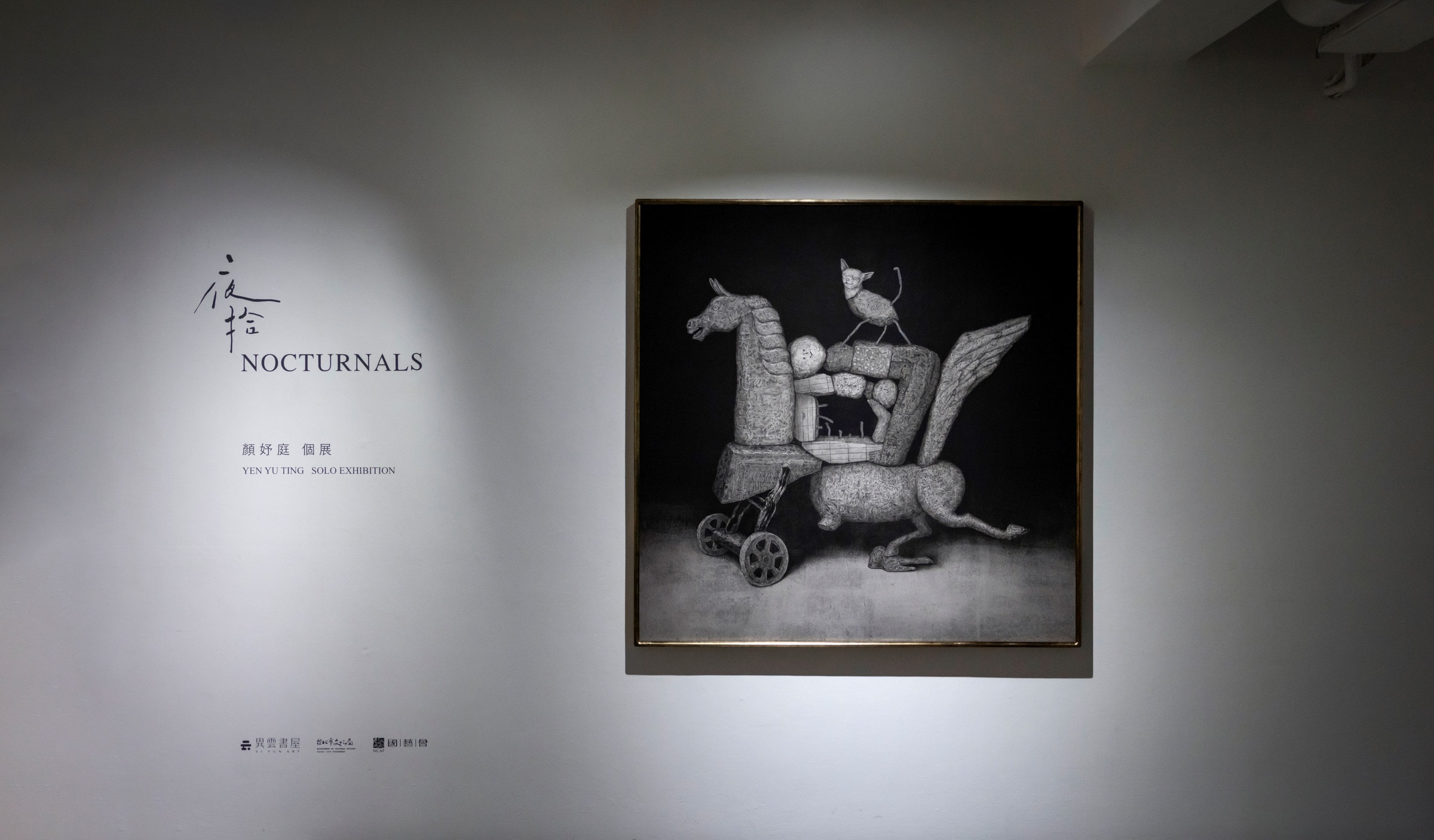
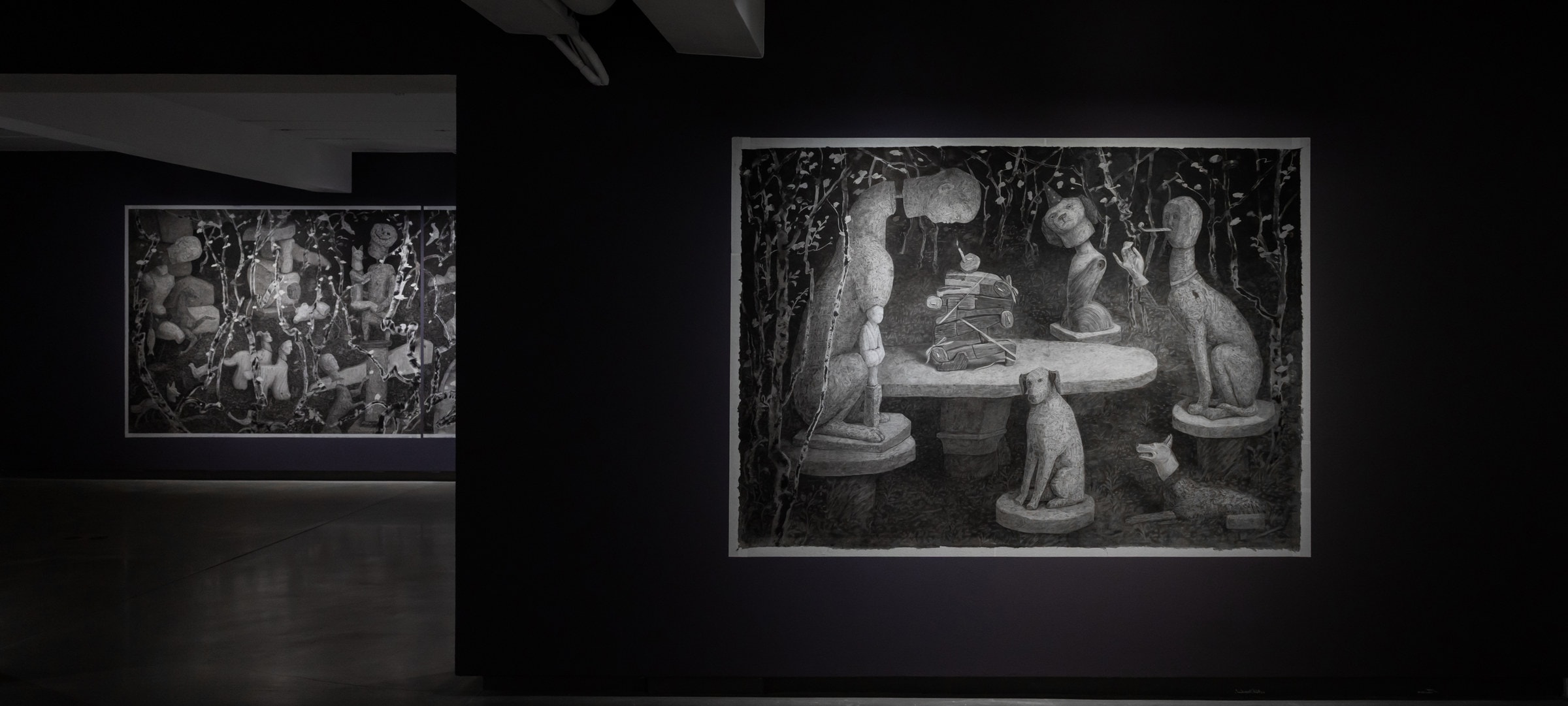
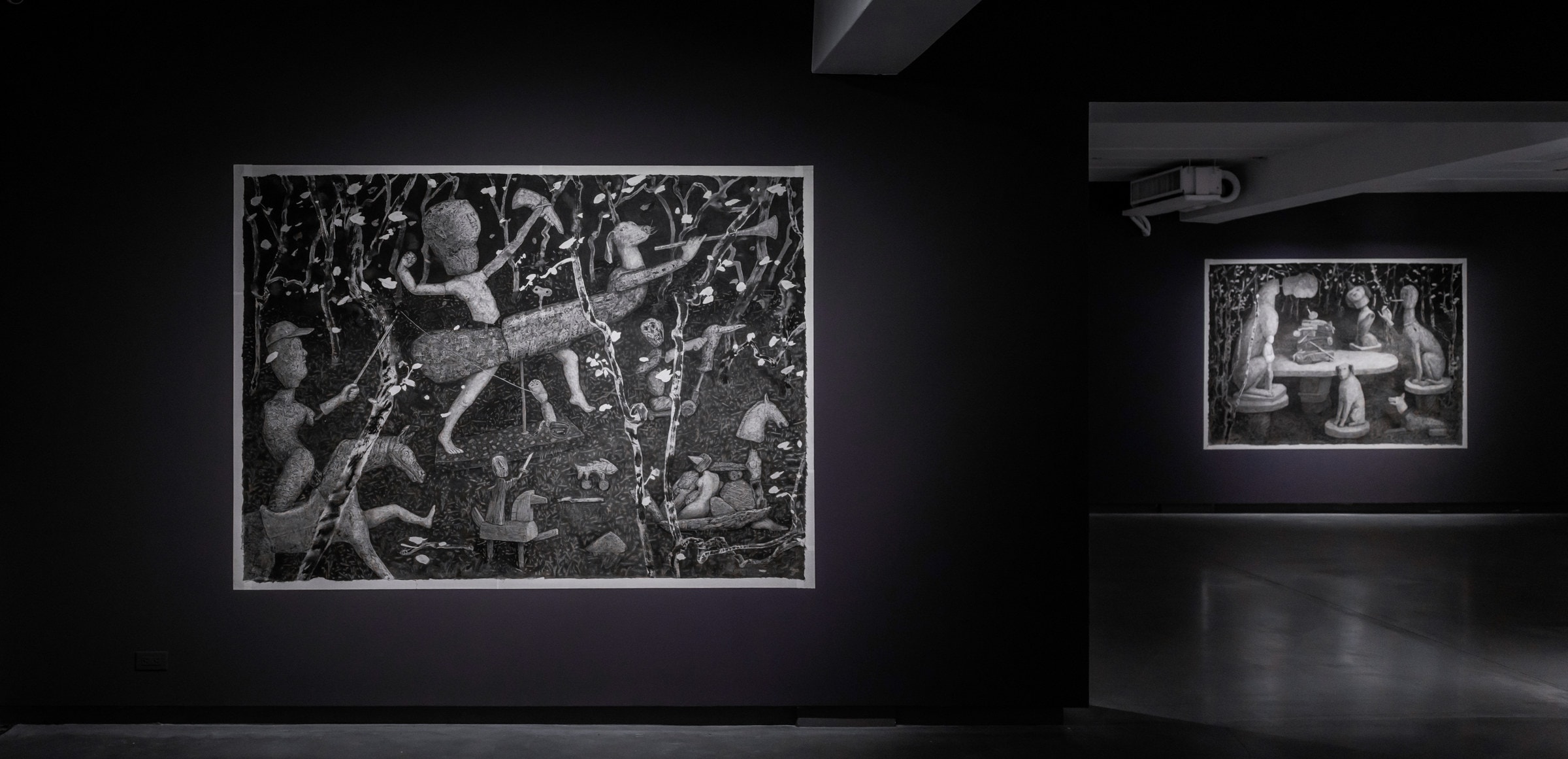
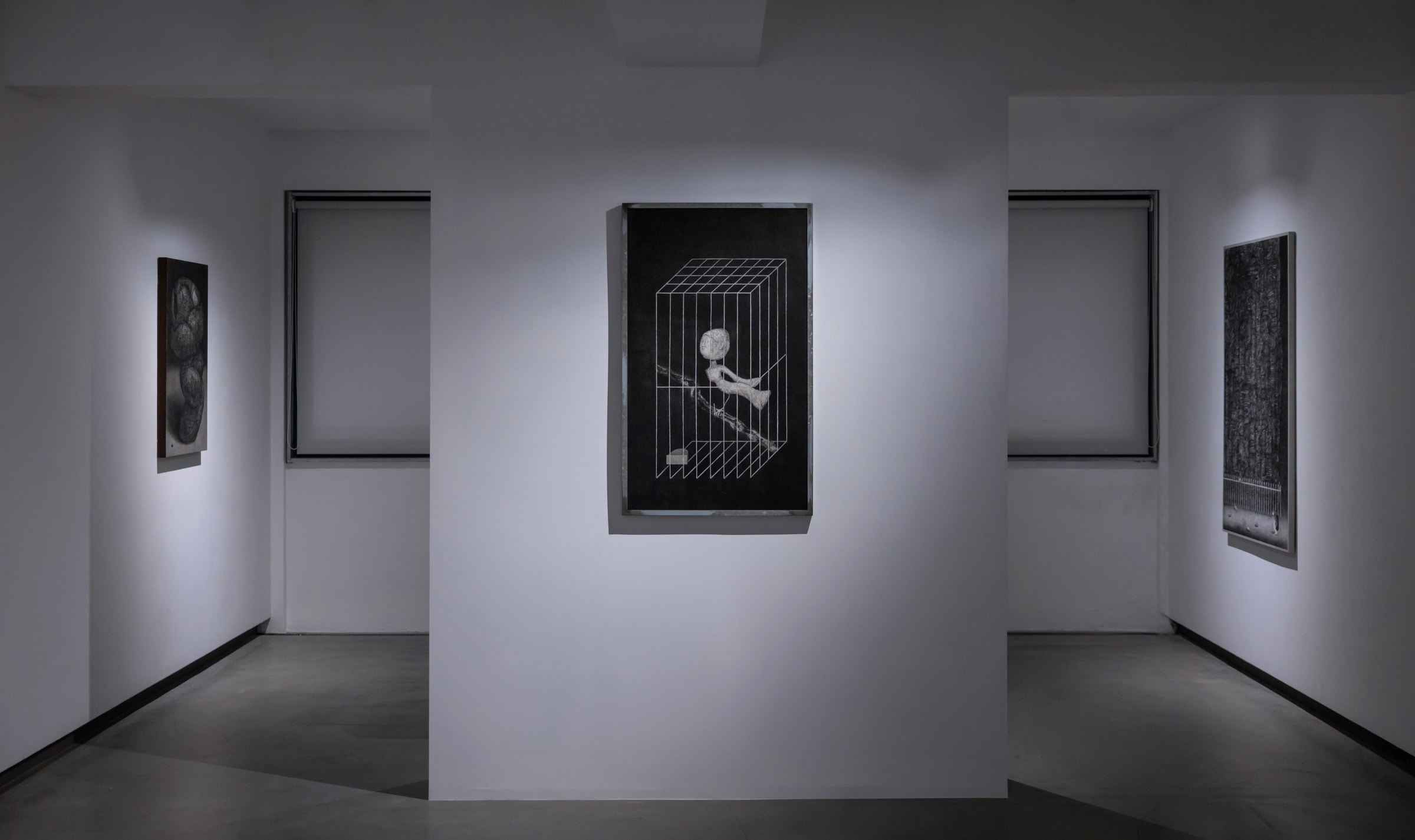
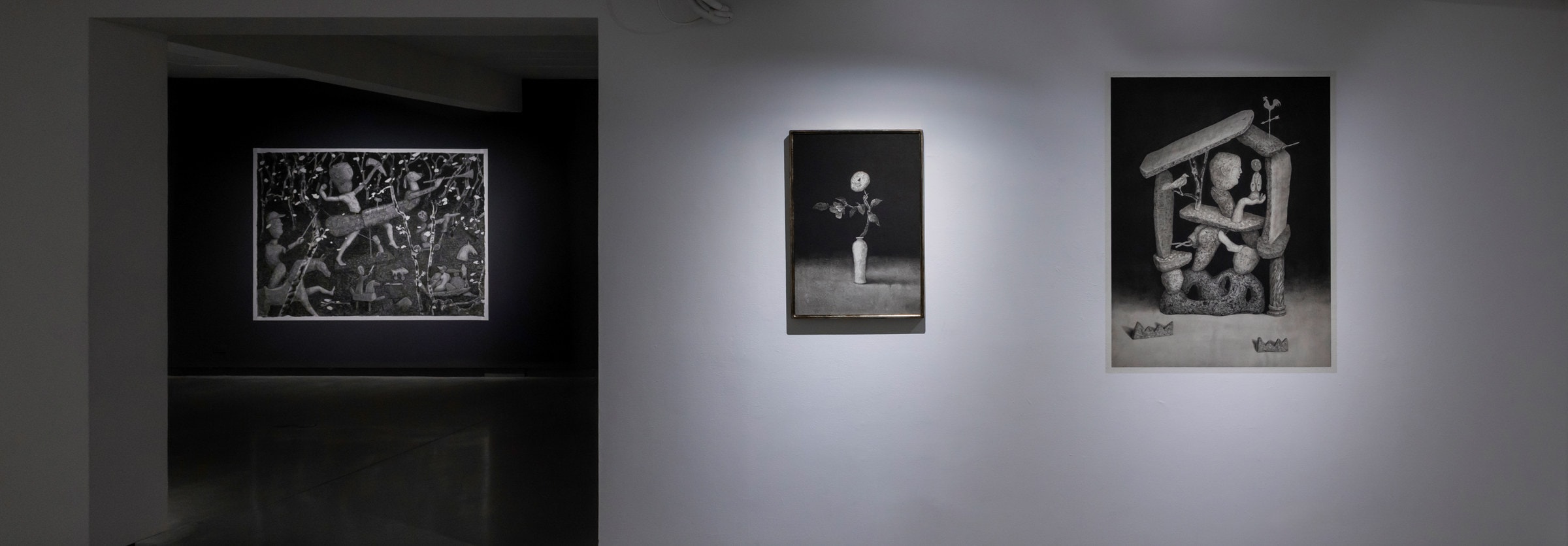
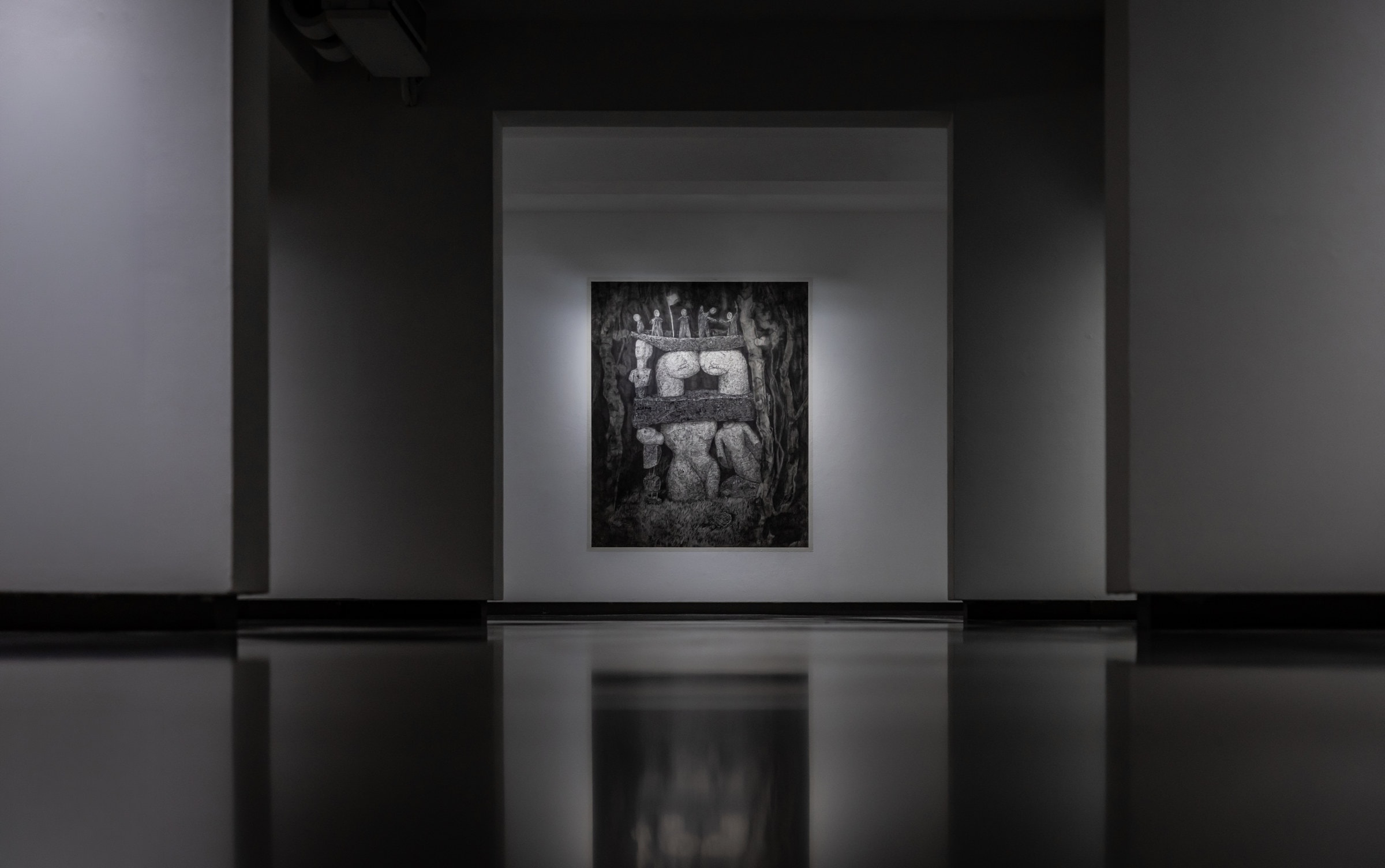
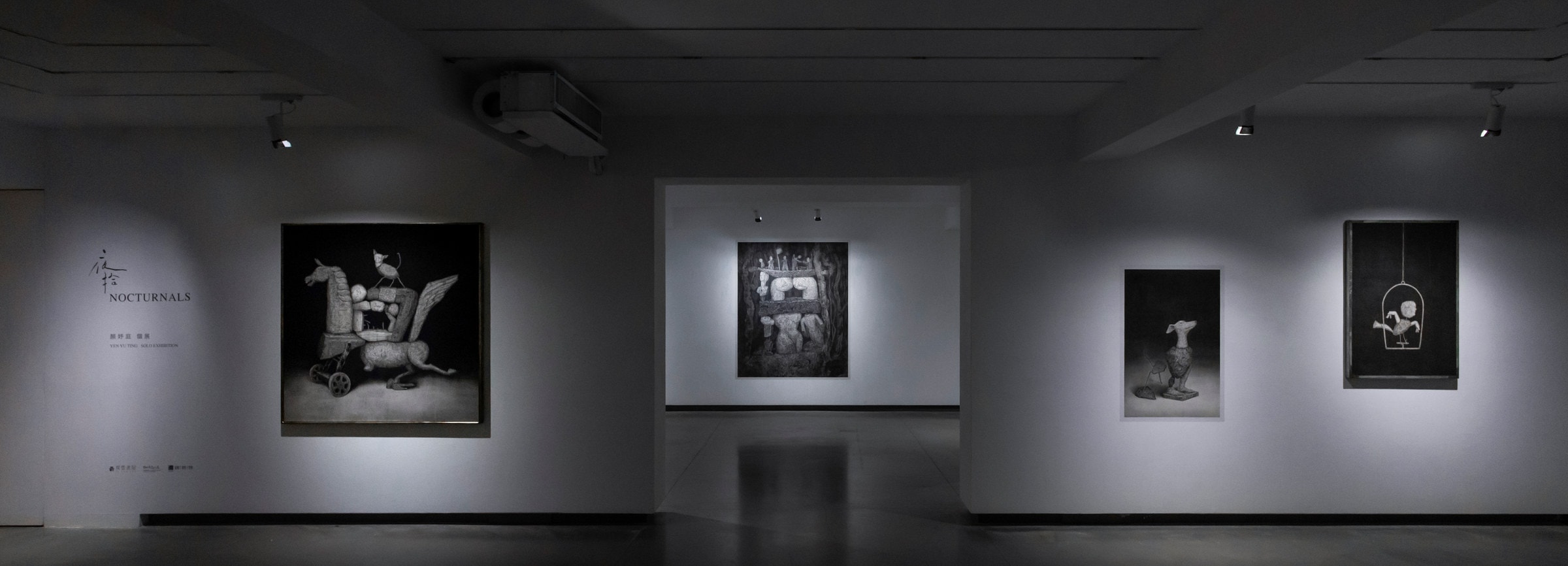
「夜拾 —— 顏妤庭 個展」由異雲書屋主辦,於2026年6月13日至7月4日,在台北Woolloomooloo Xhibit展出。本次展覽為藝術家顏妤庭睽違三年之重要個展發表,展題「夜拾」如其創作自述「像是一趟在林間漫走的夜遊」,顏妤庭以獨到的筆法,運用水墨、色鉛筆等媒材,繪寫一幕幕於黑夜森林間漫遊所見的異景。
走進夜晚的森林,你不知道自己將會偶遇什麼
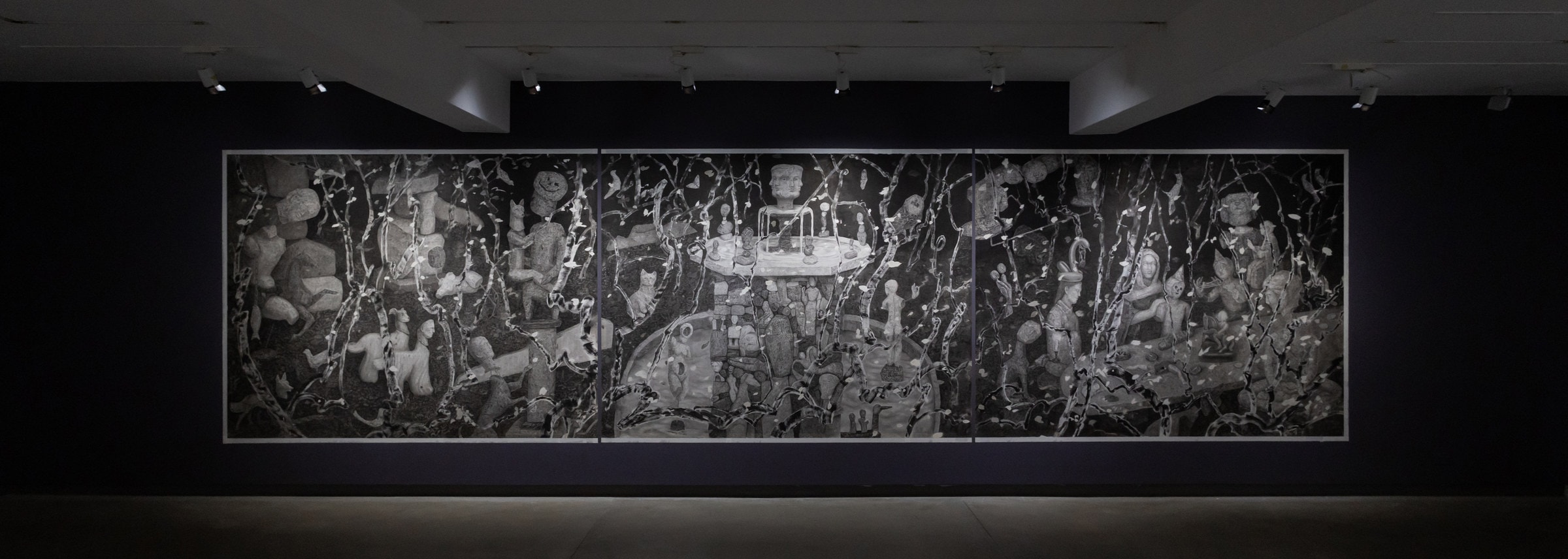
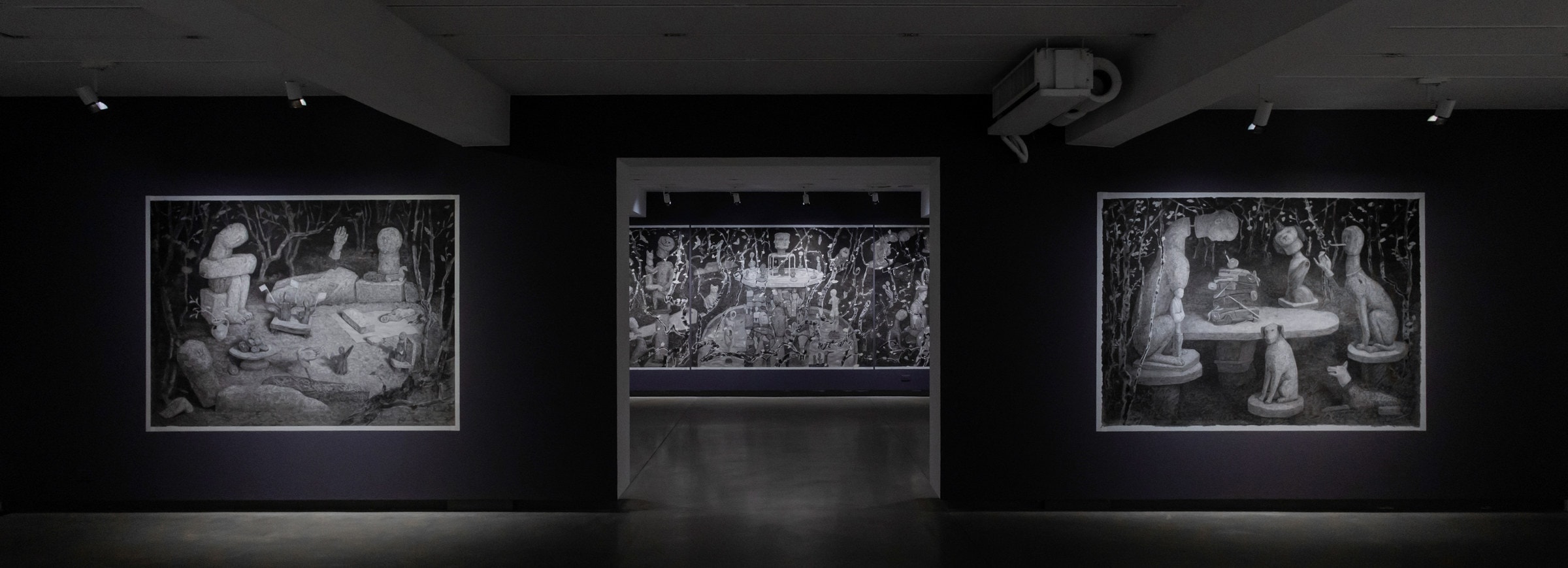
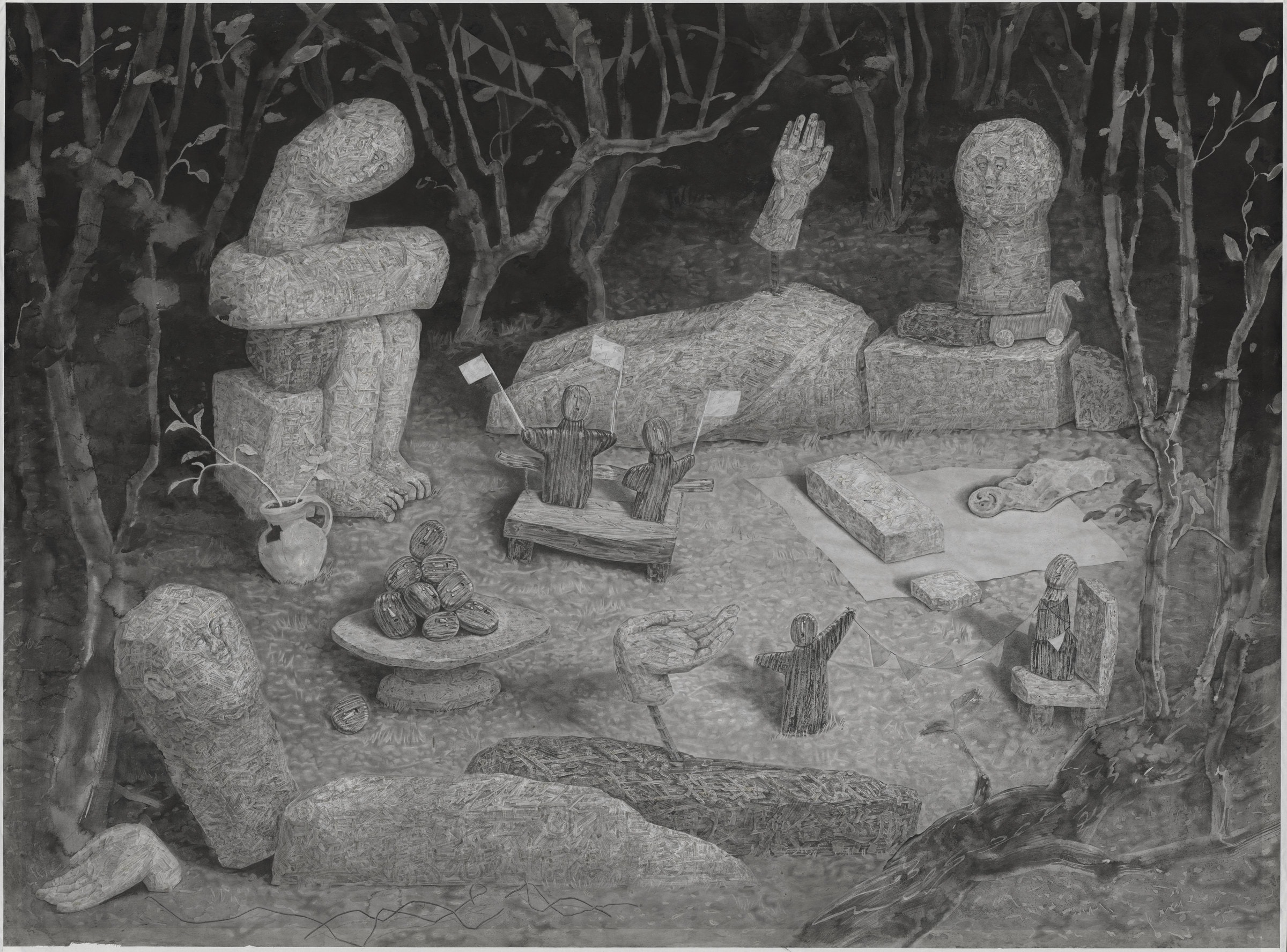
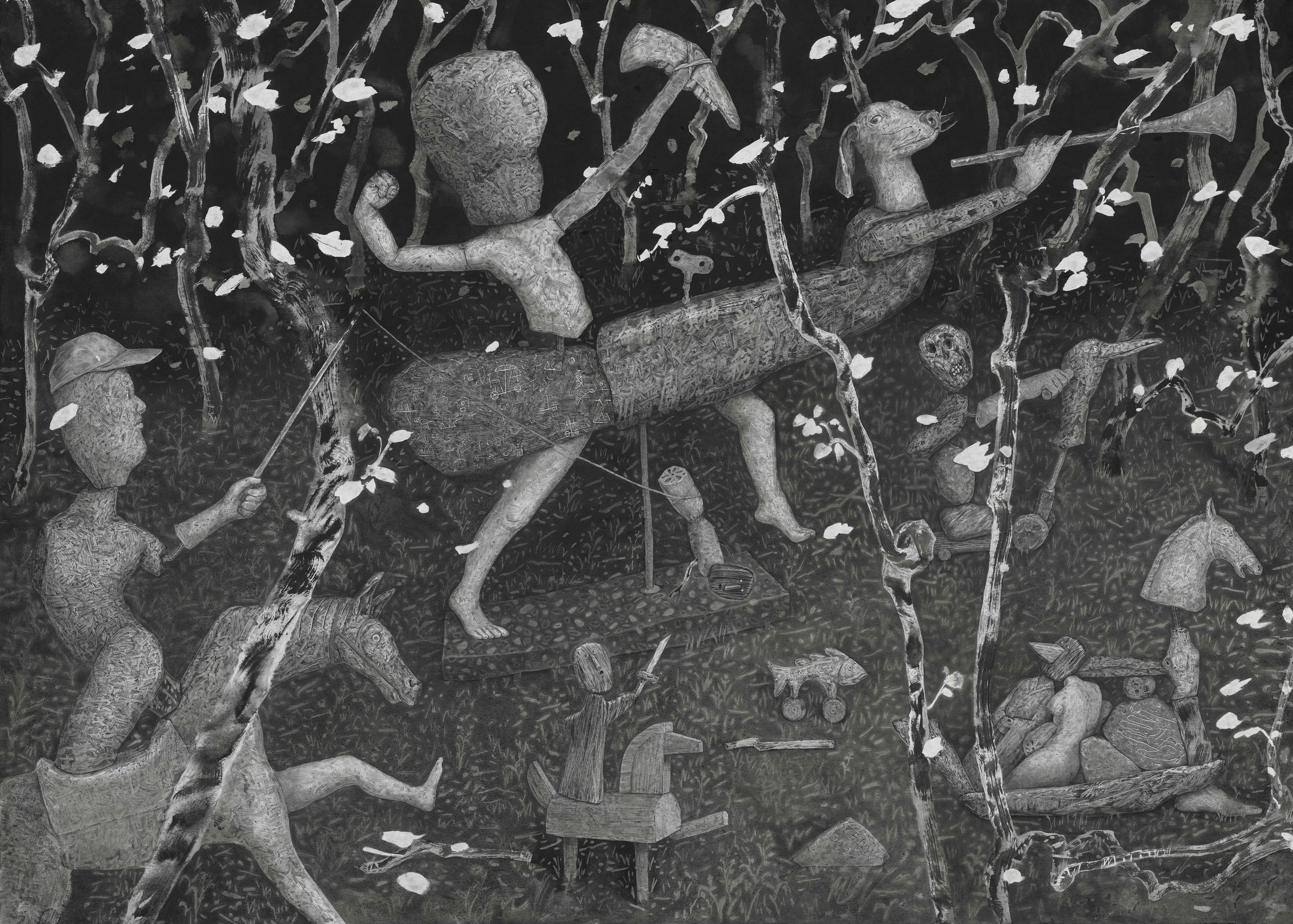
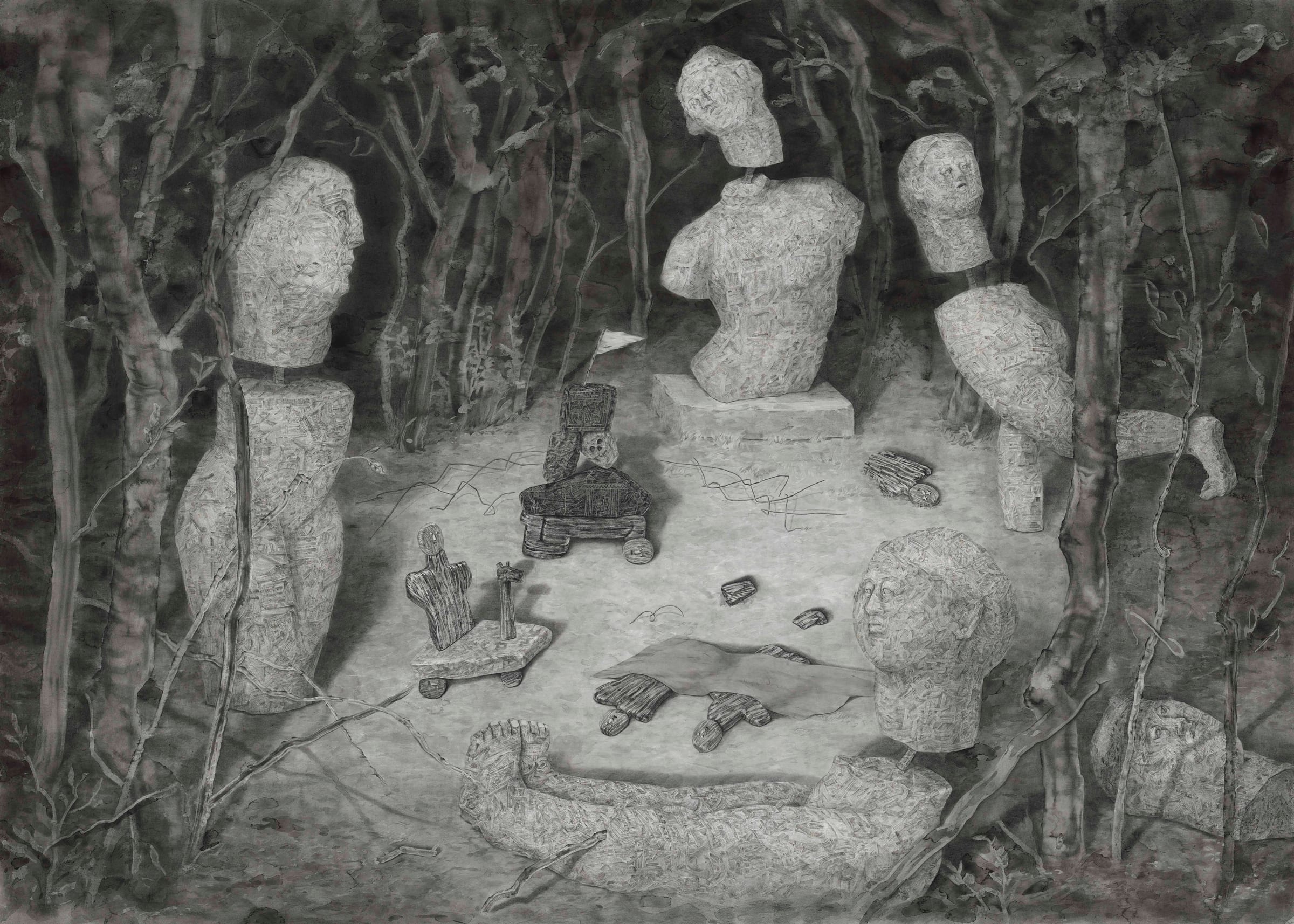
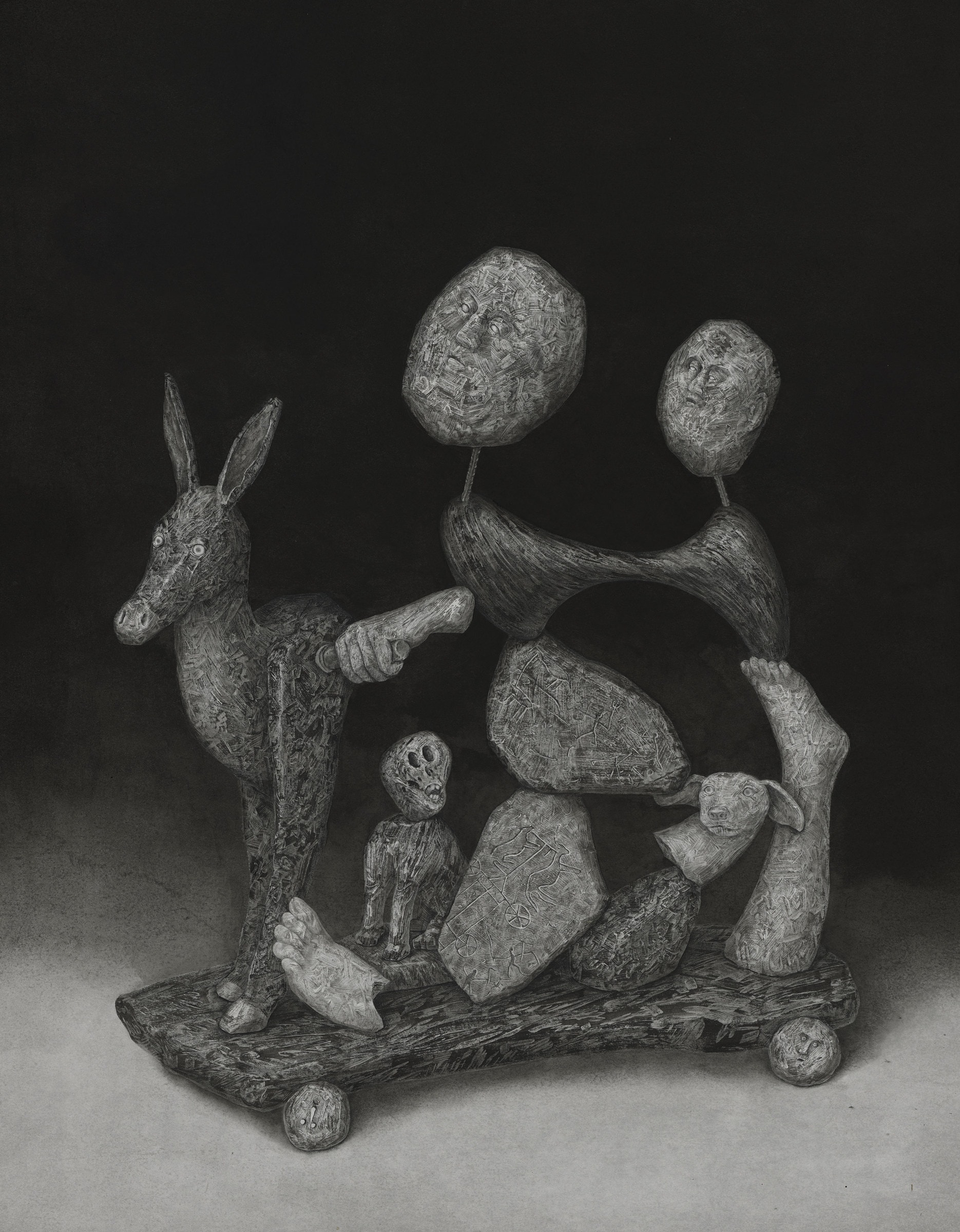
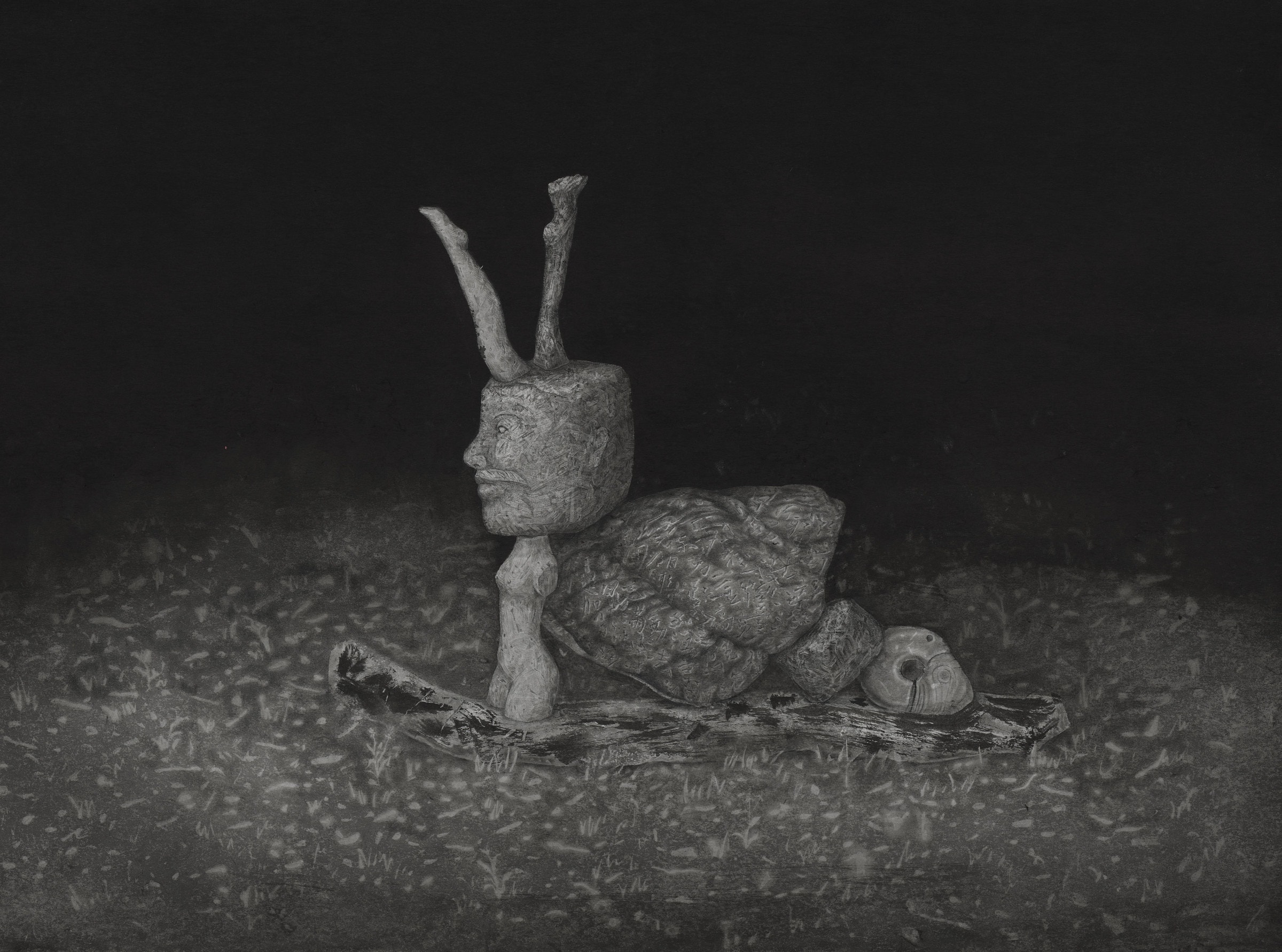
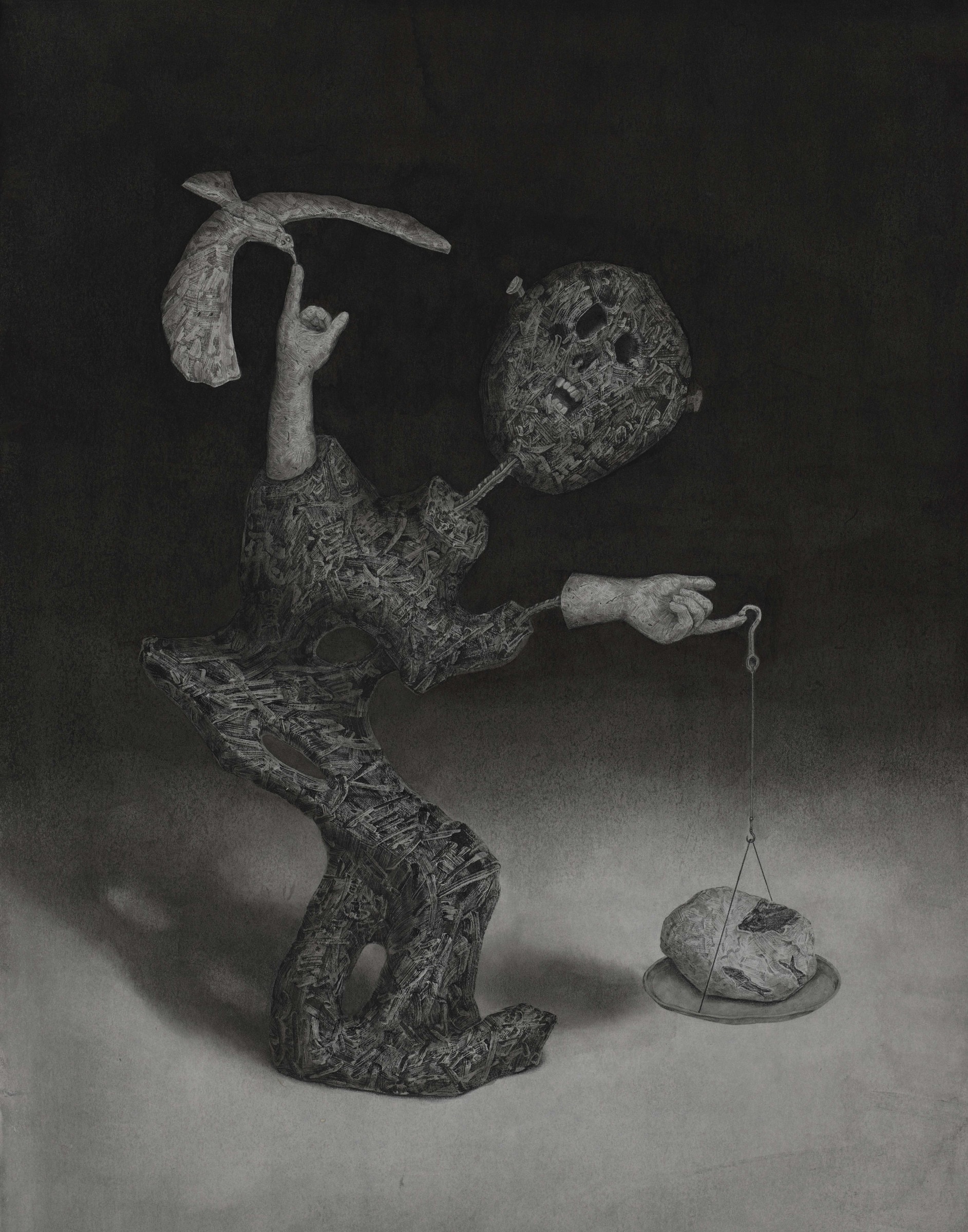
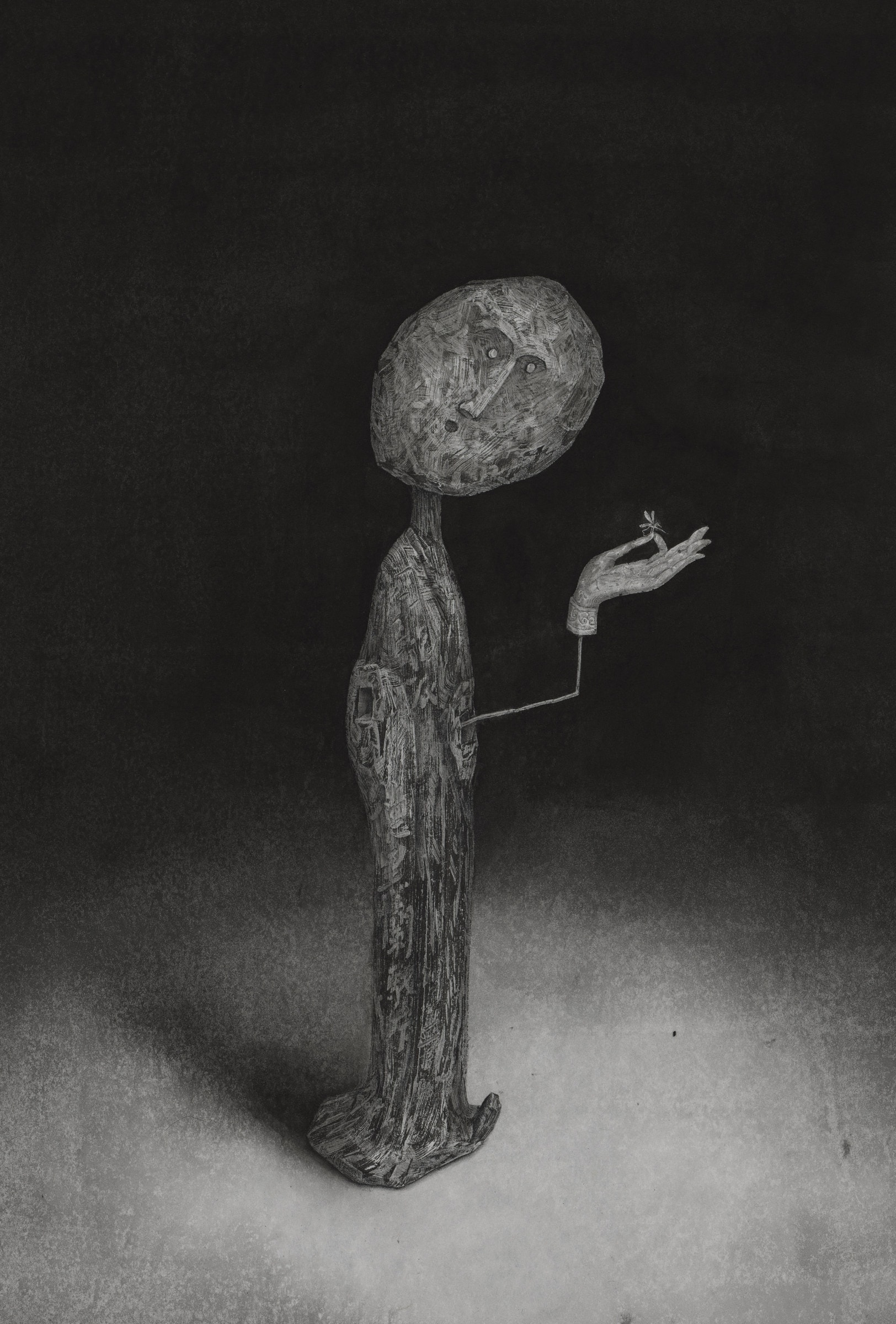
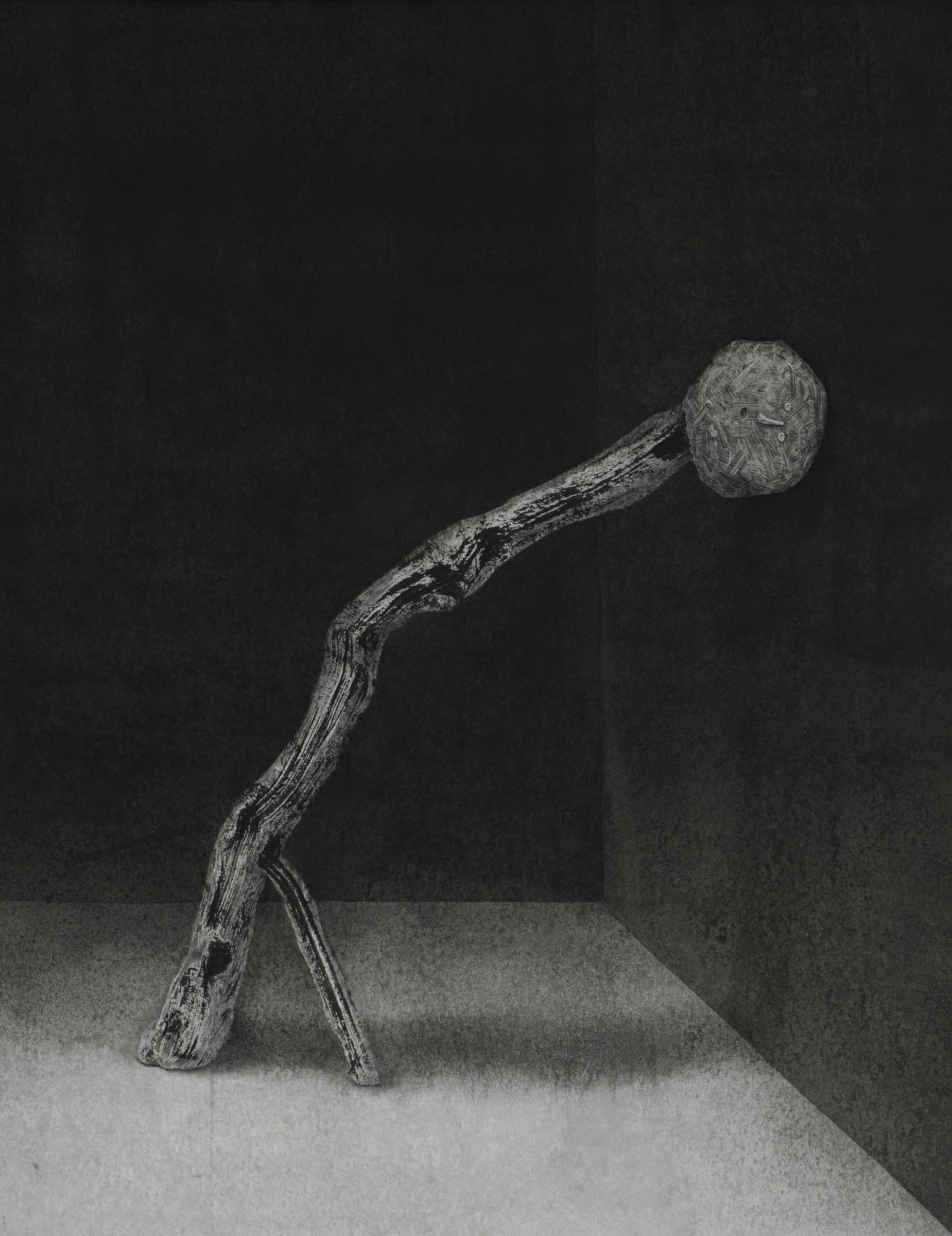
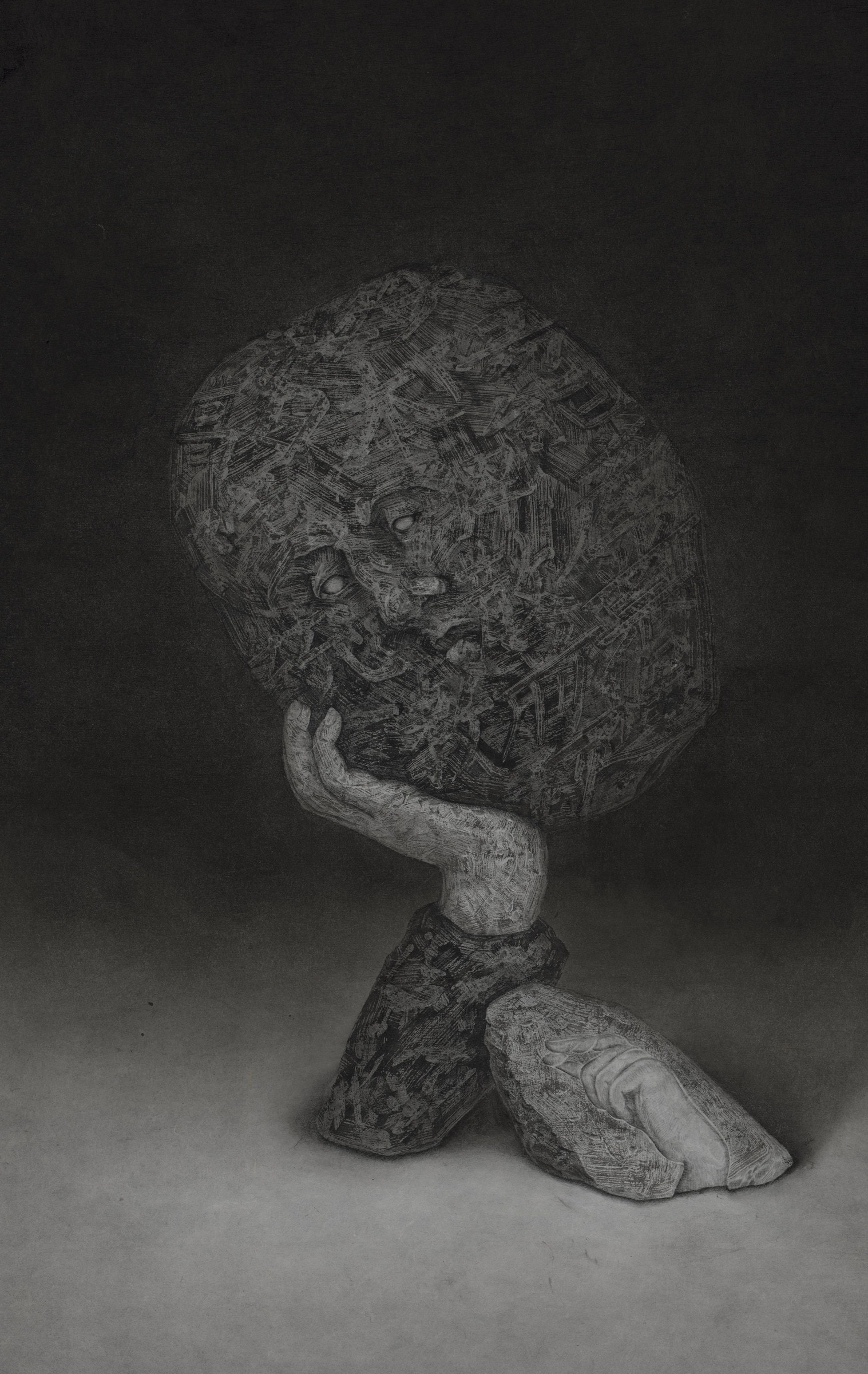
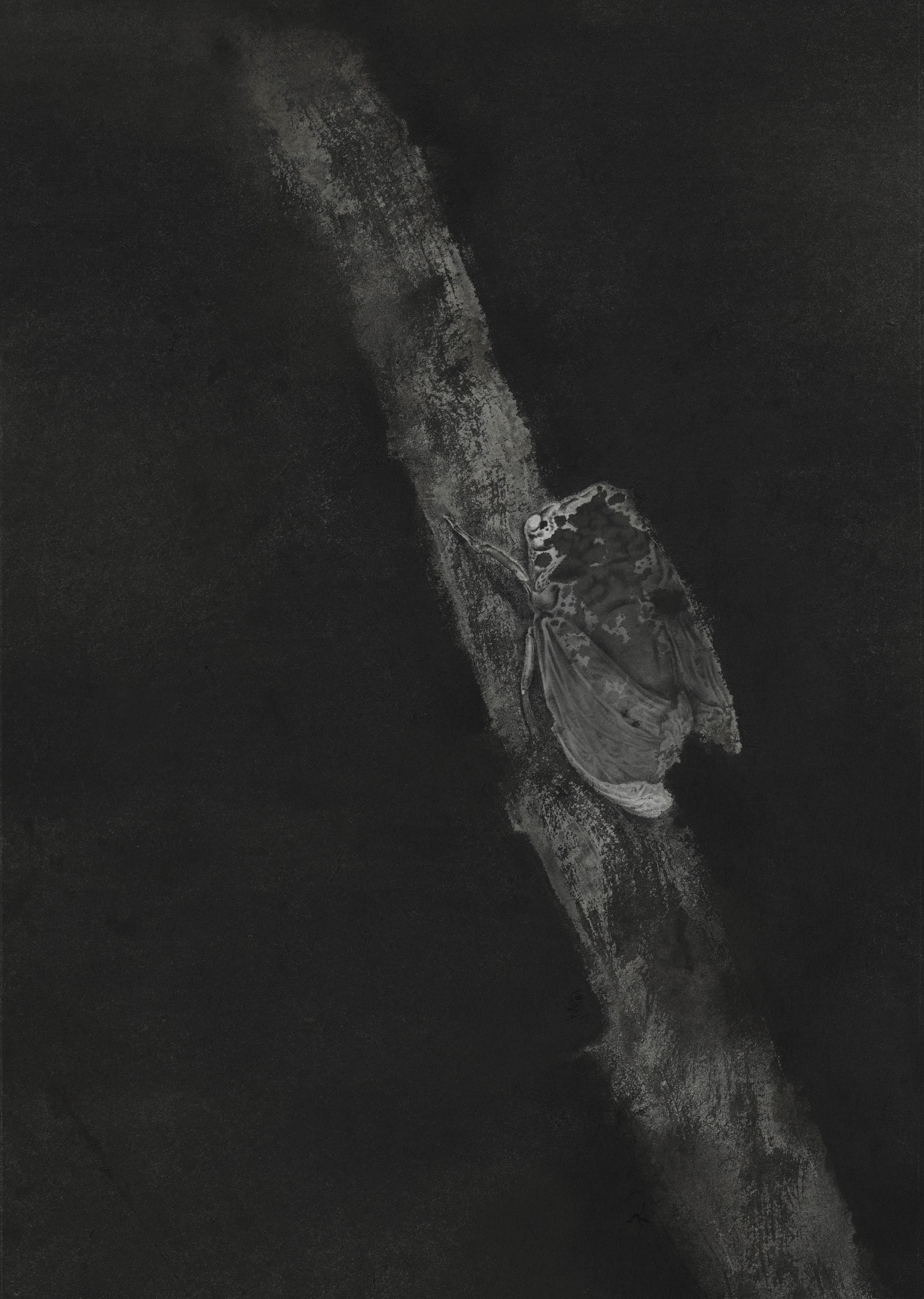
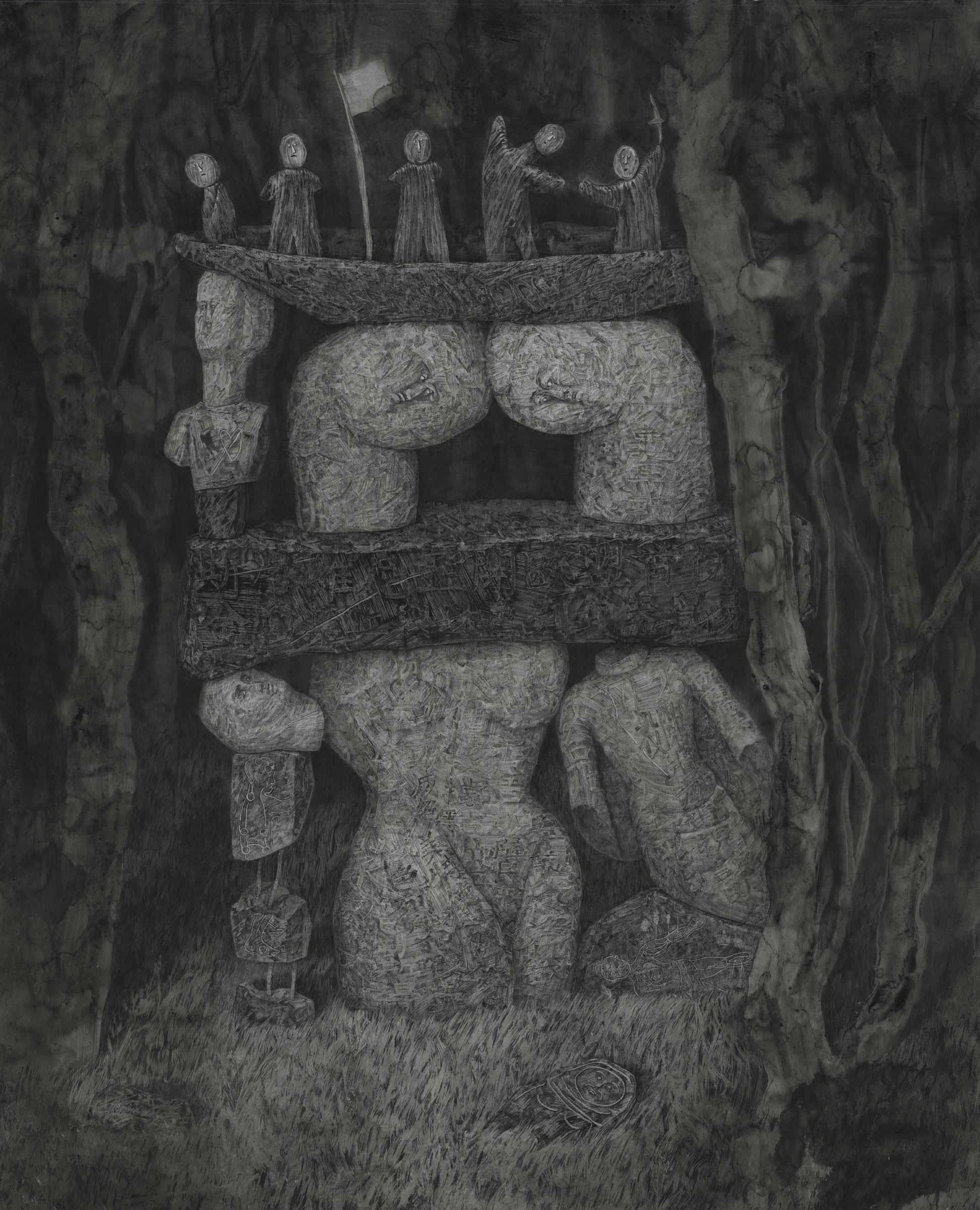
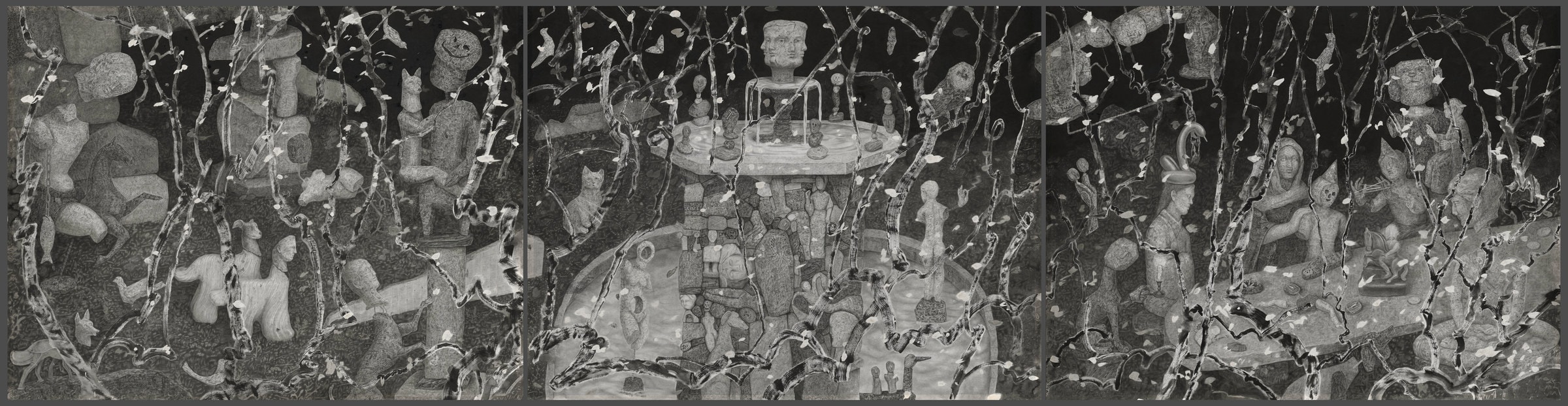
在夜色中,旅人步入一片森林,此處的一切已為幽暗所包圍,令視野大幅收斂,無論如何四顧張望,森林皆回以深邃與靜默,幾乎不可觀測。而旅人並未因此卻步,隨著這趟對未知的探索越加深入,辨認方位的依憑也逐漸稀薄,忽然間,移動的腳步暫停下來,前路似乎被什麼東西阻擋了——不知名的殘碑與雕像,在枯樹環繞著的野地中兀自佇立。沒有人知道它們來自何時何處,這些遺跡是失去脈絡與意義的造物,藝術家自述提到:「它們既像歷史留下的紀念碑,也像是被翻模工廠隨意丟棄的報廢品。」其周圍林木恣意生長,在榮枯間輪迴往返,野性的自然與四散一地的碎塊,本質上互不相關,直至旅人涉足了這個場域,成為即景的見證者,從中感知到時間、記憶、歷史的流變與消逝,並賦予解讀及詮釋。
一種新的複合體誕生了,安靜地狂歡著
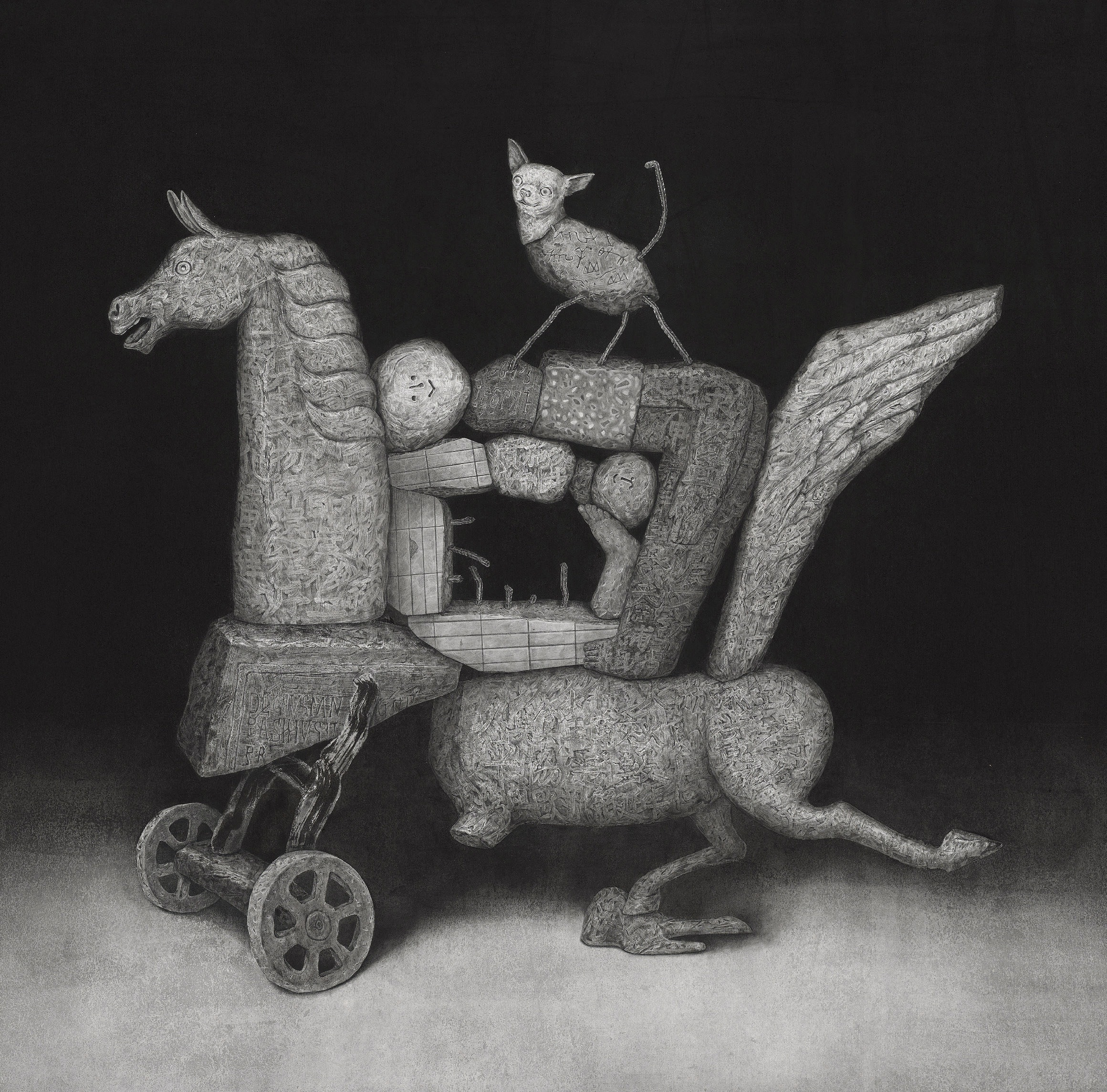
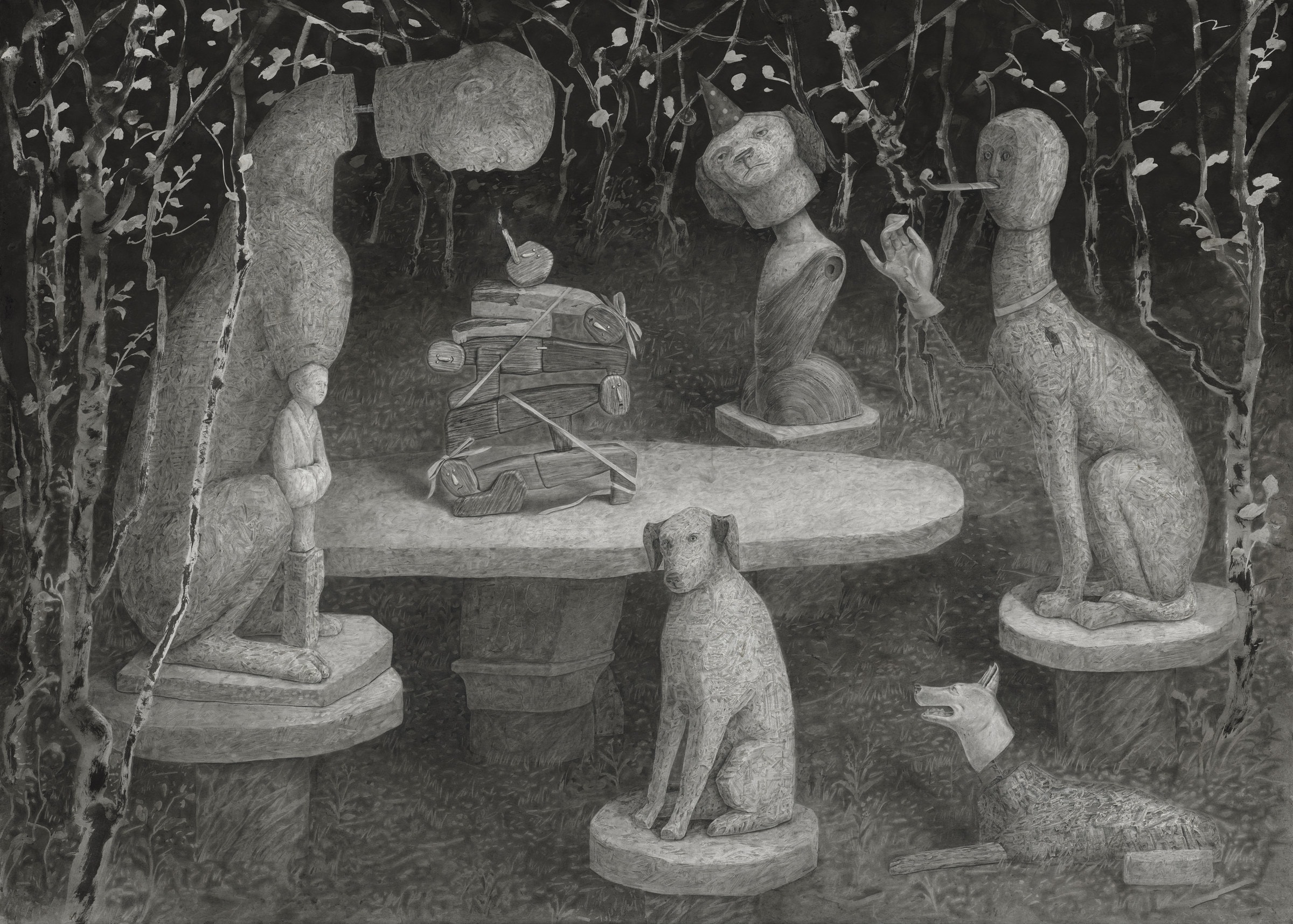
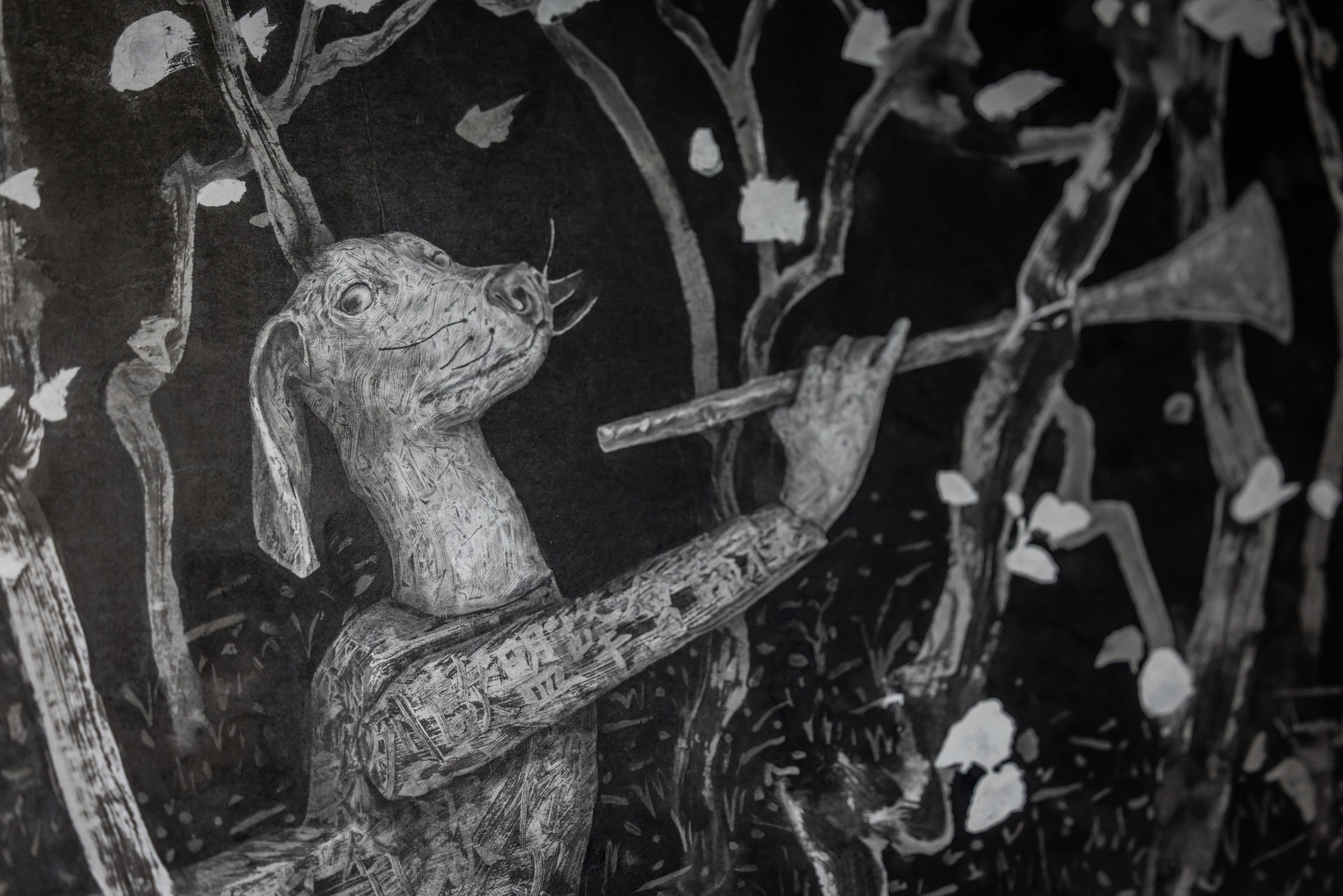
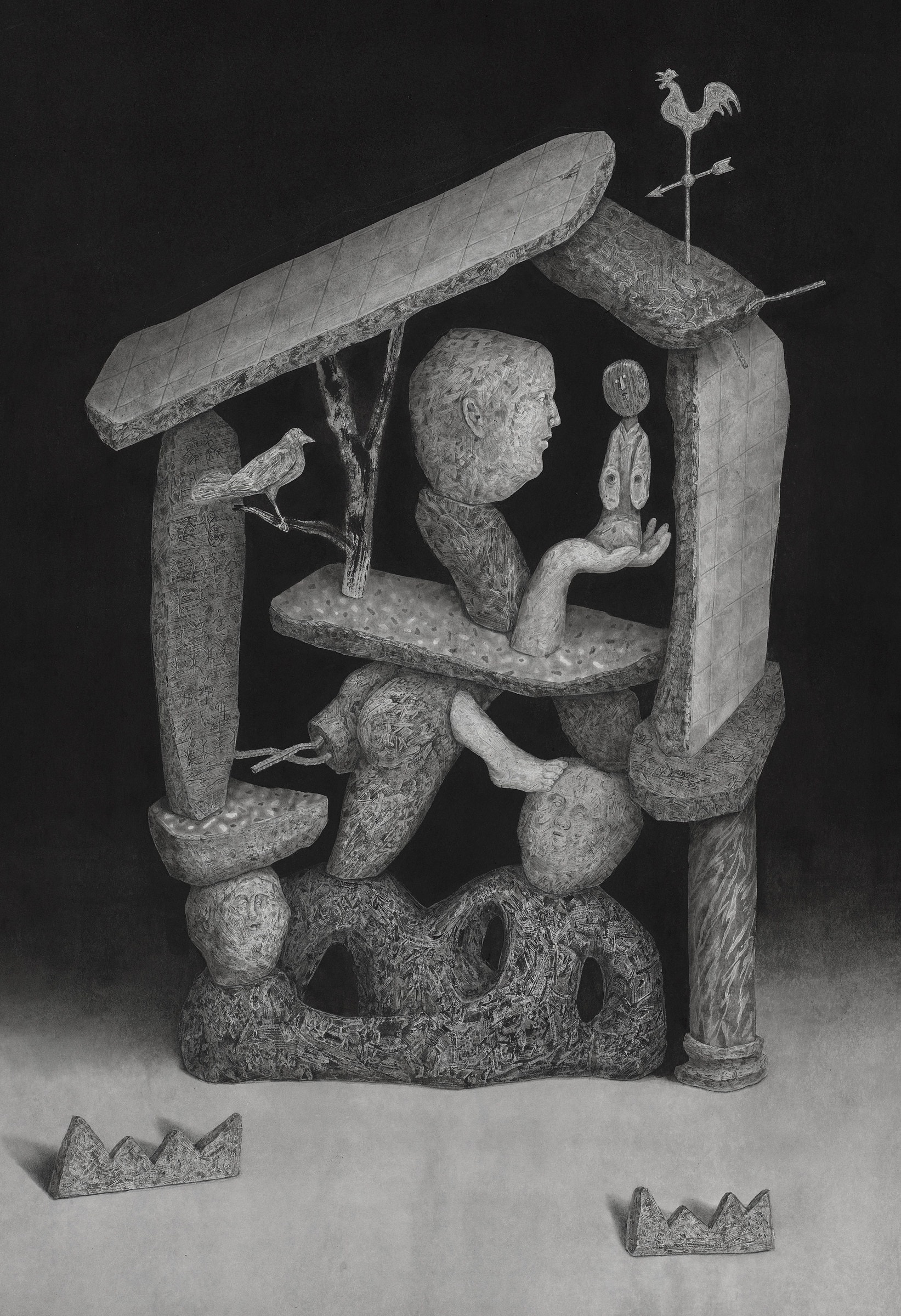
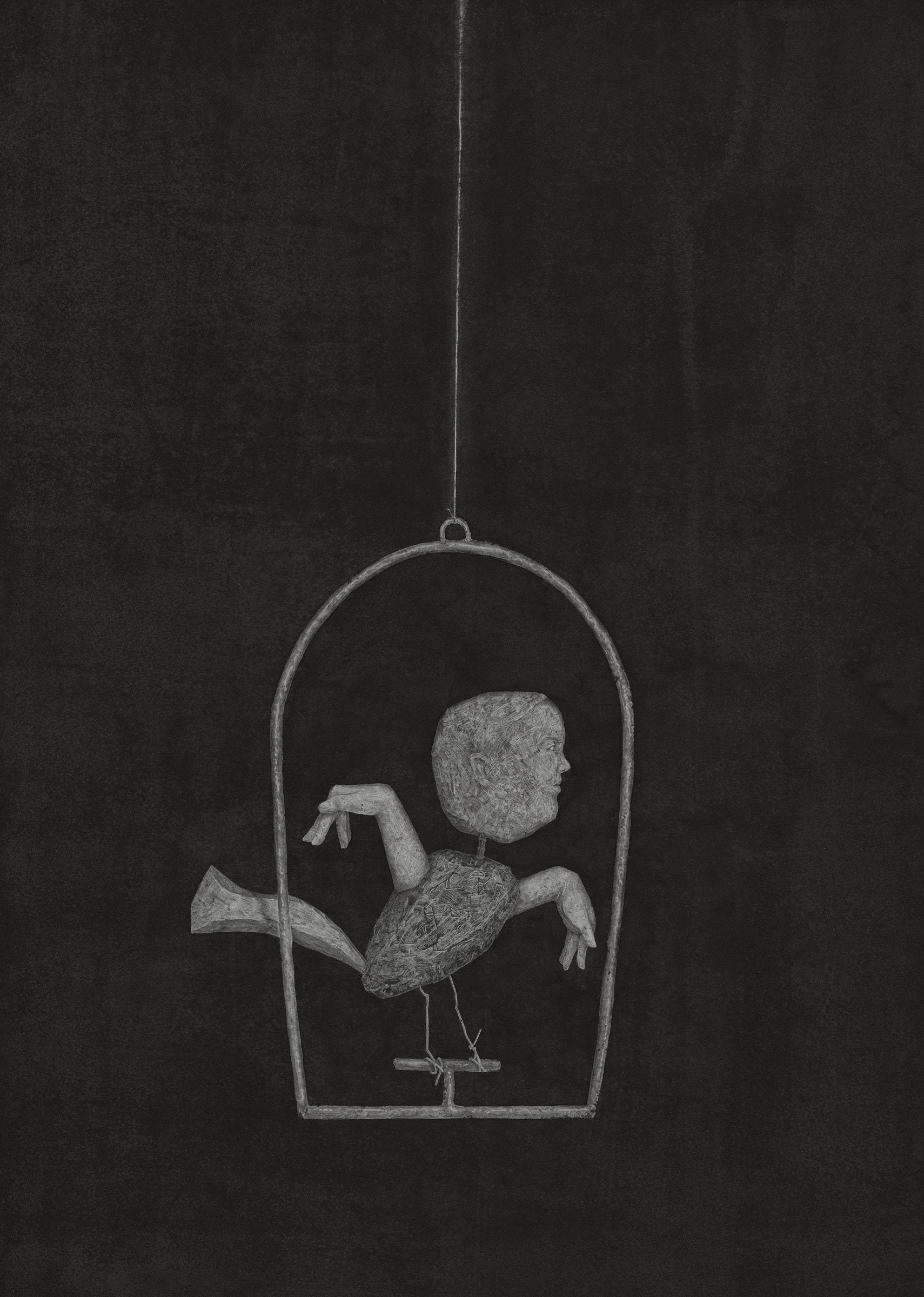
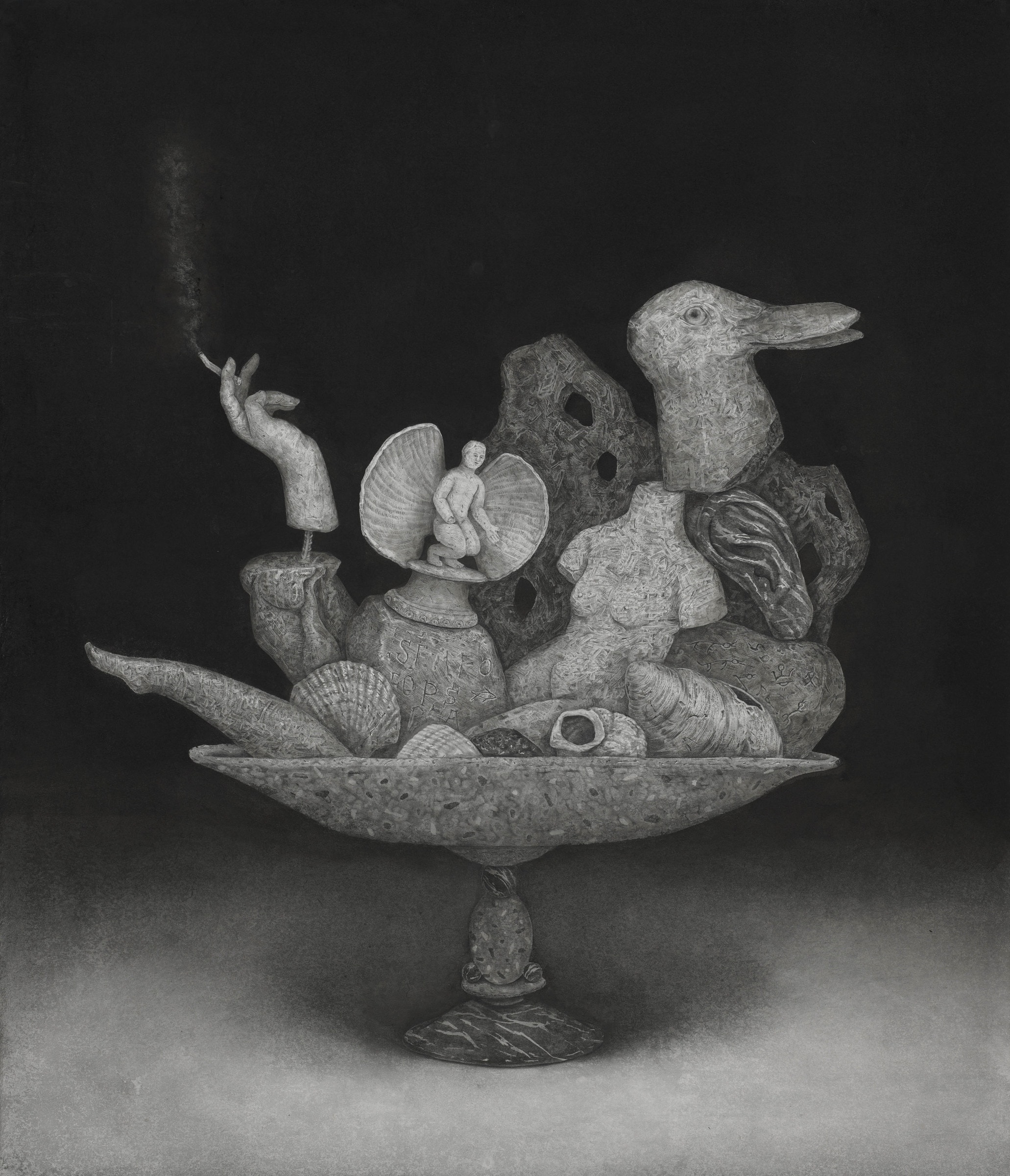
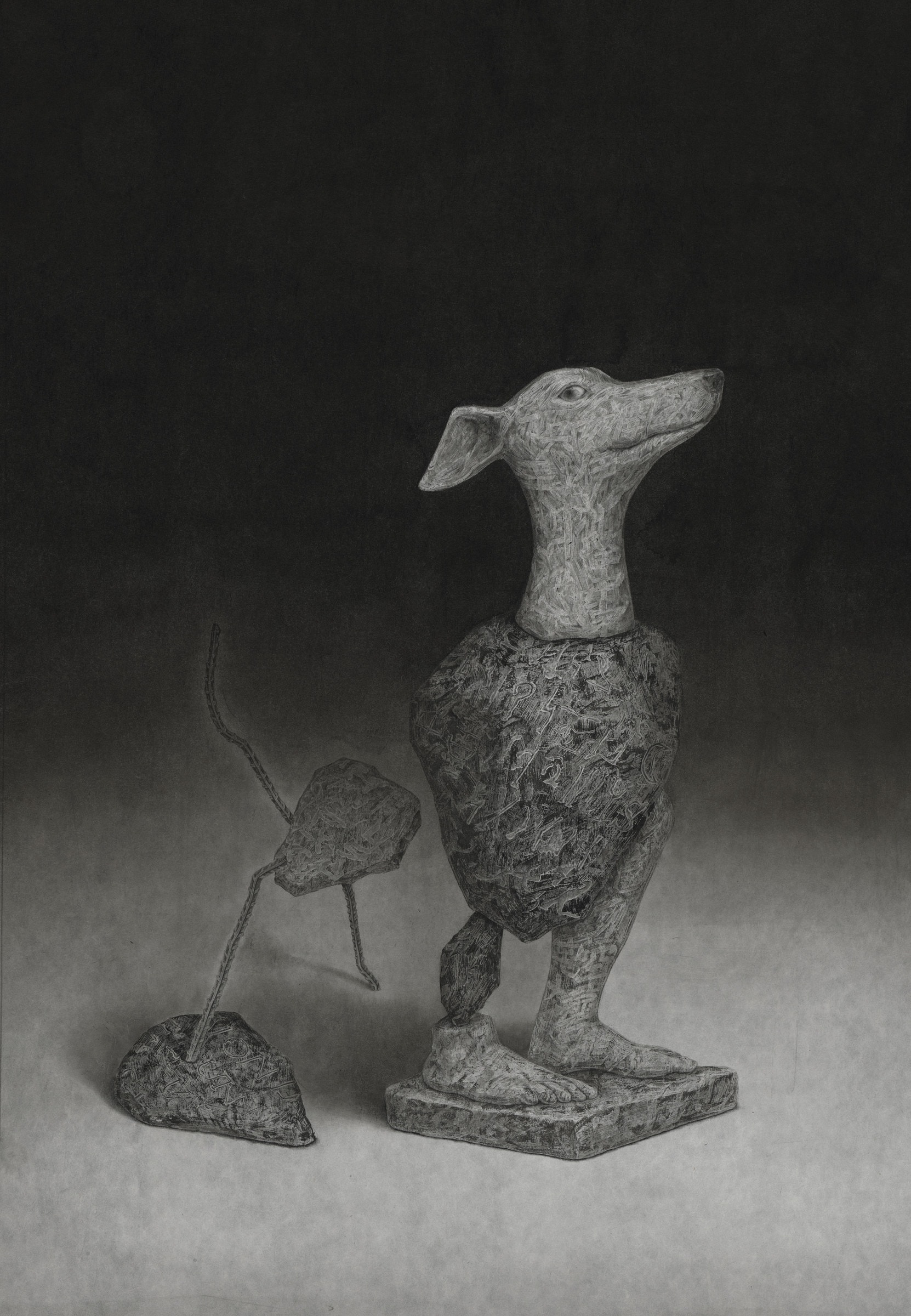
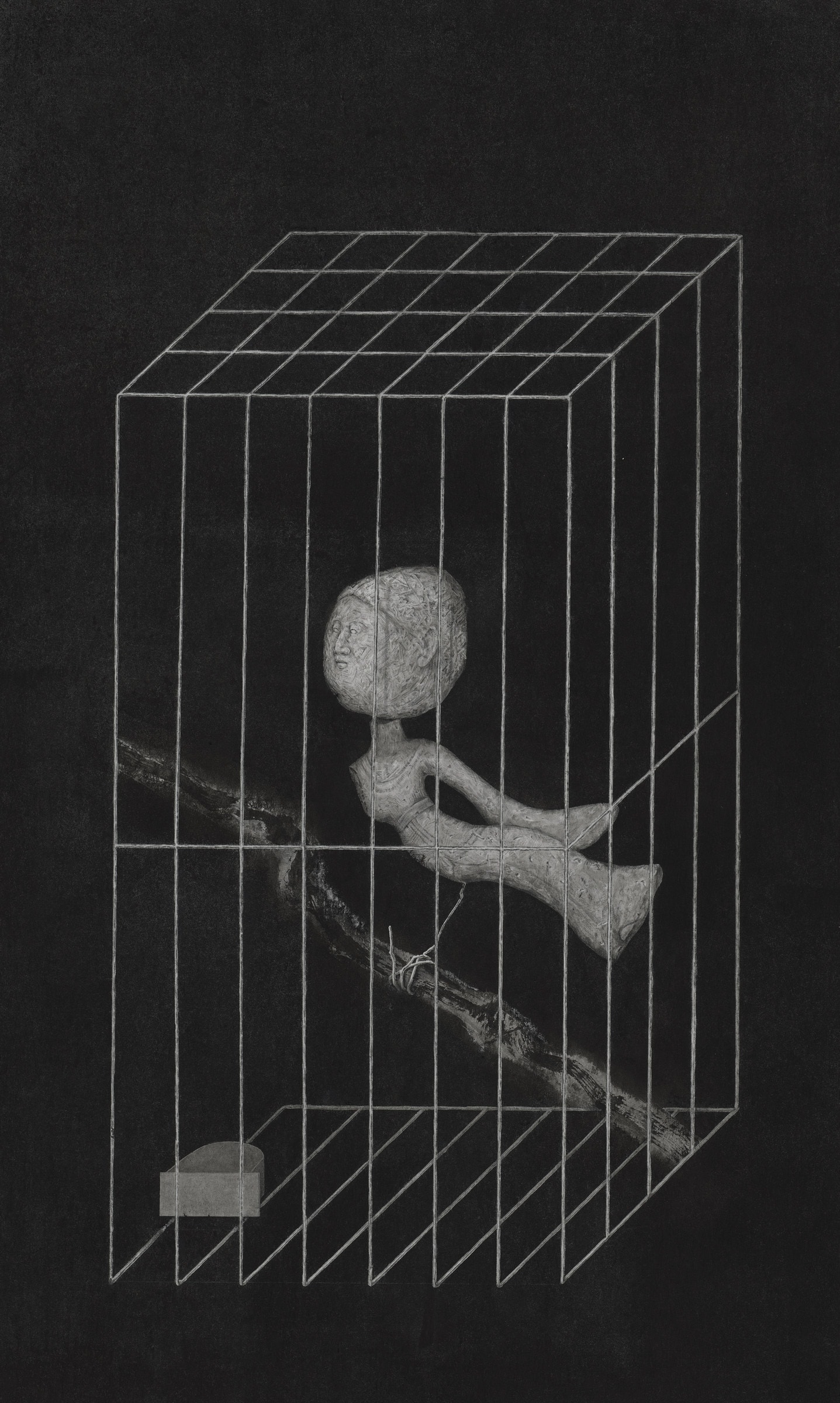
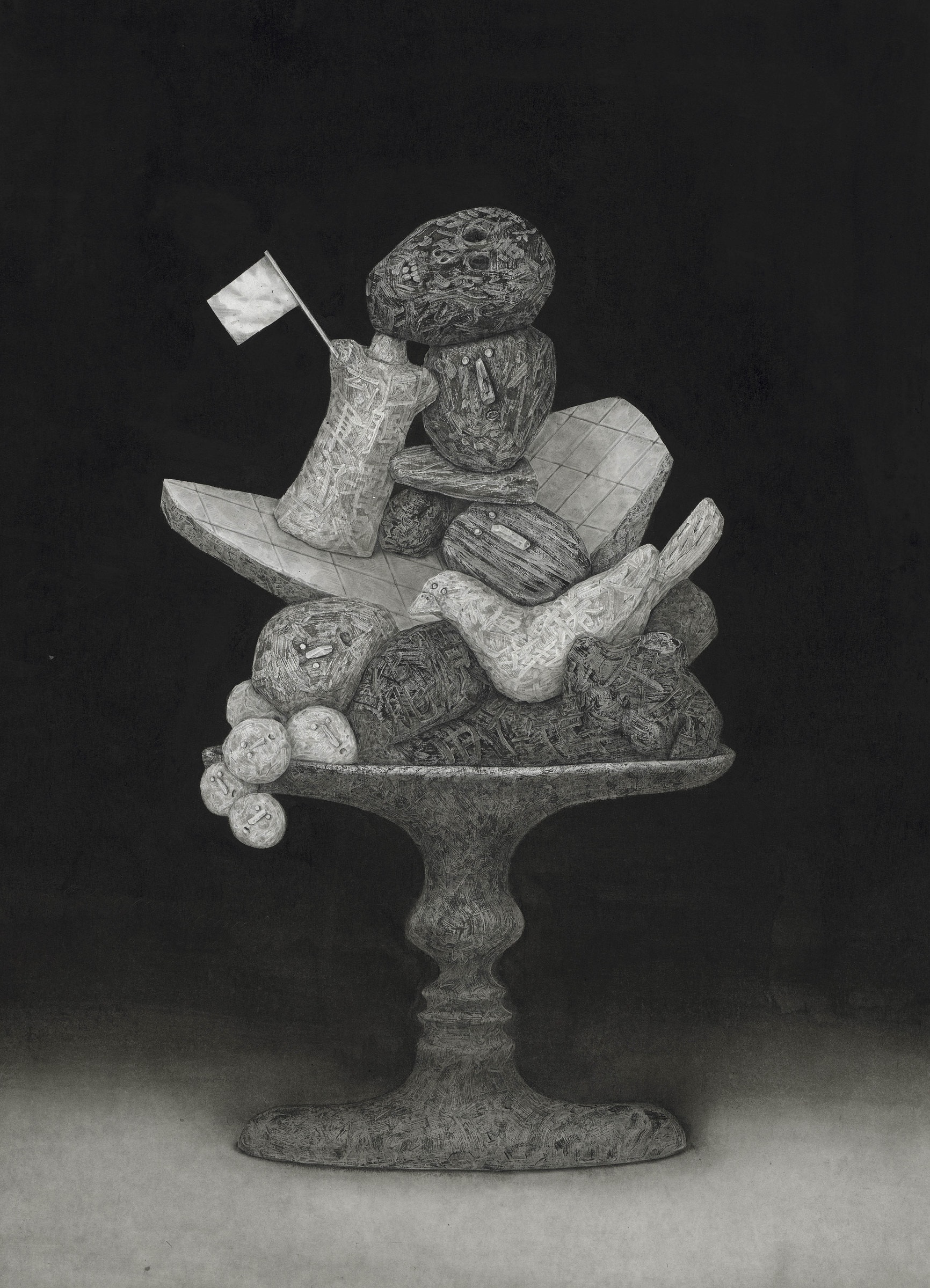
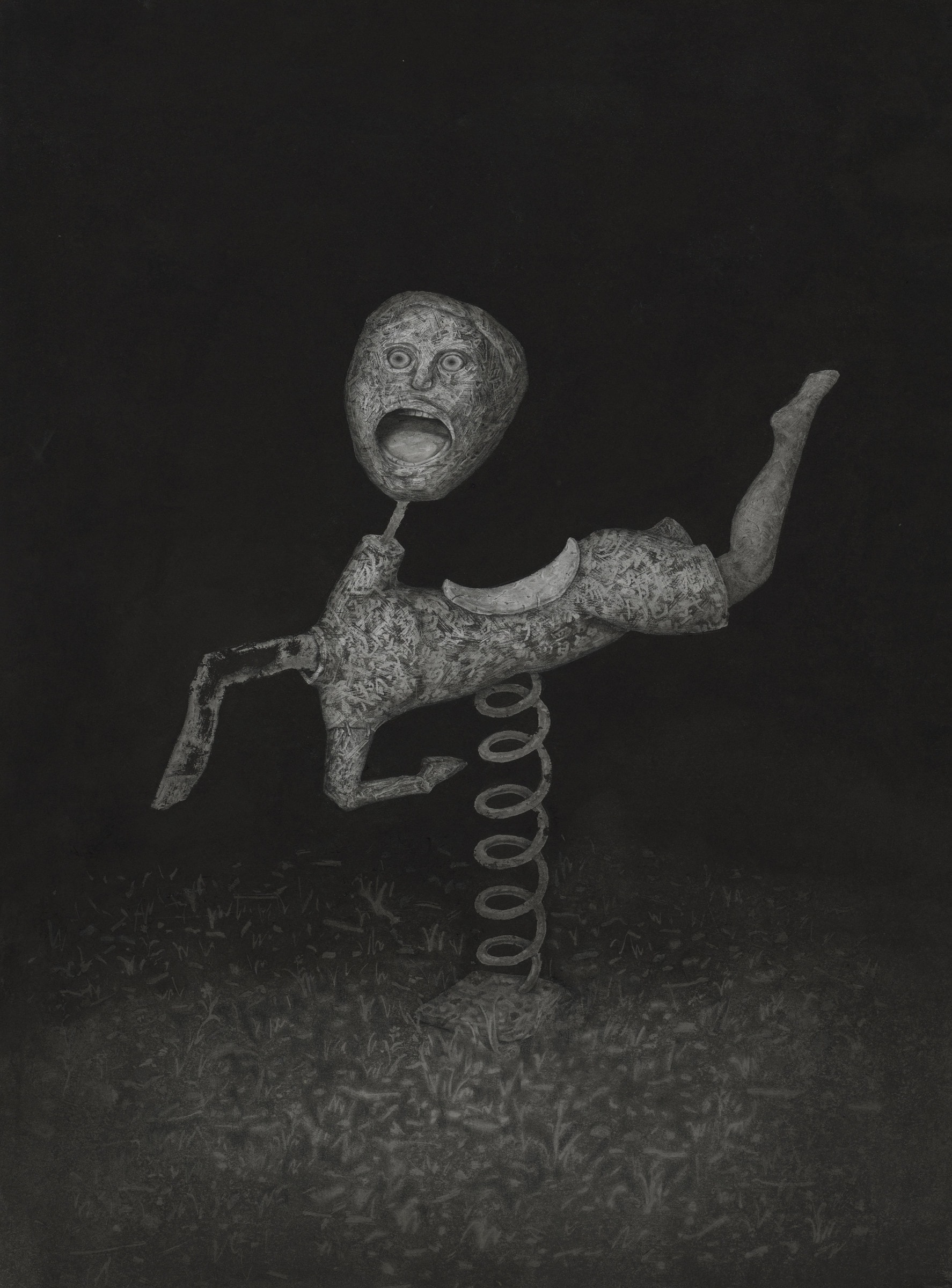
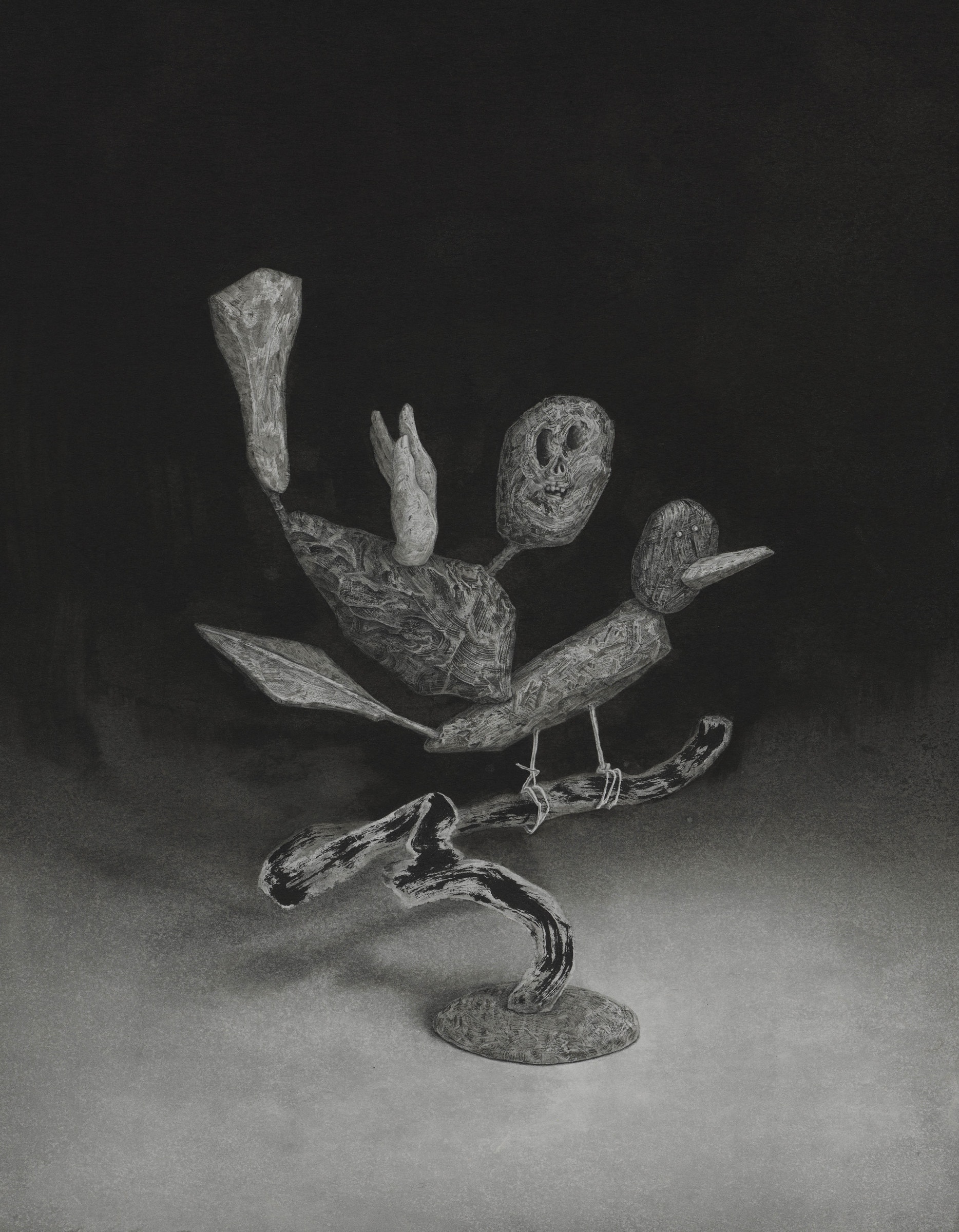
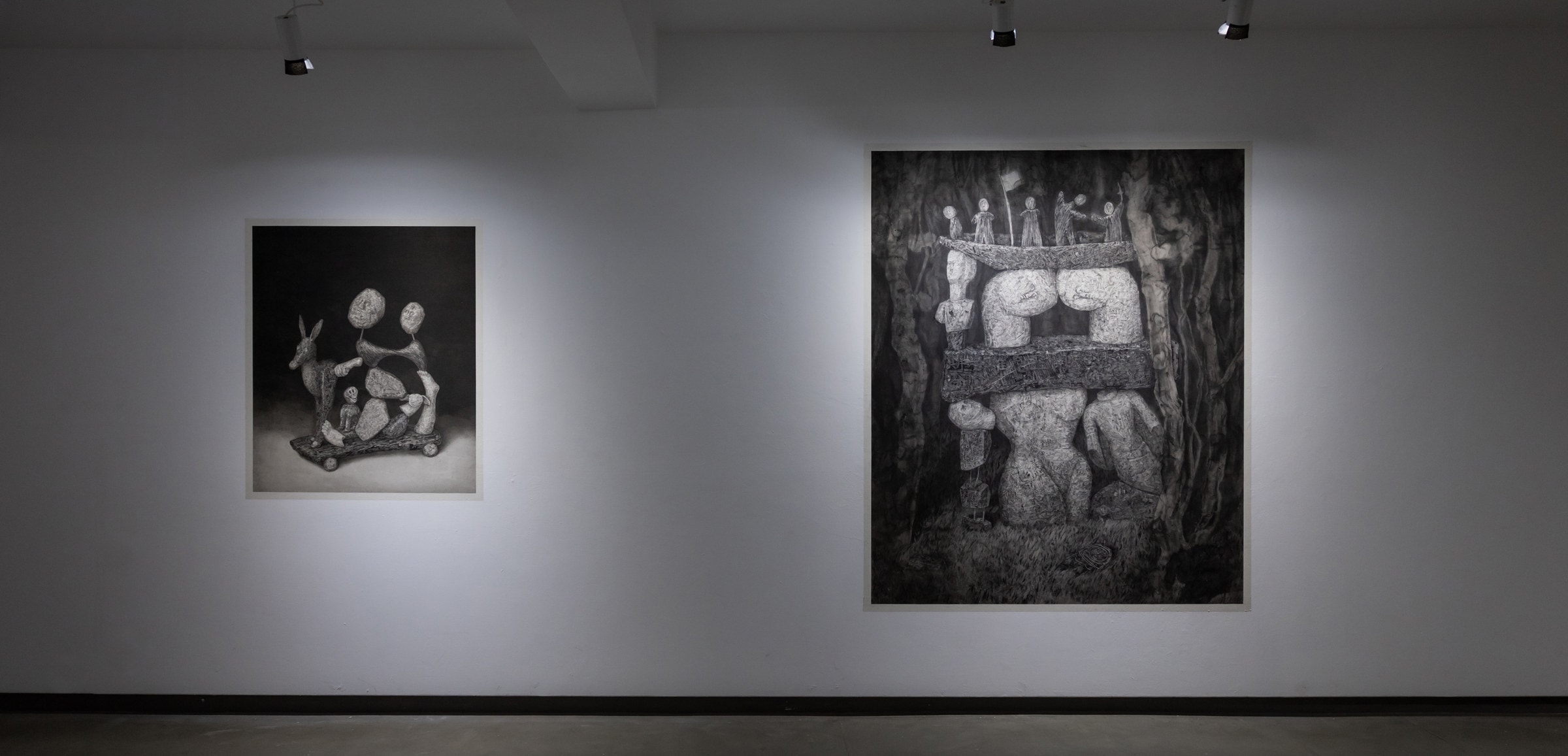
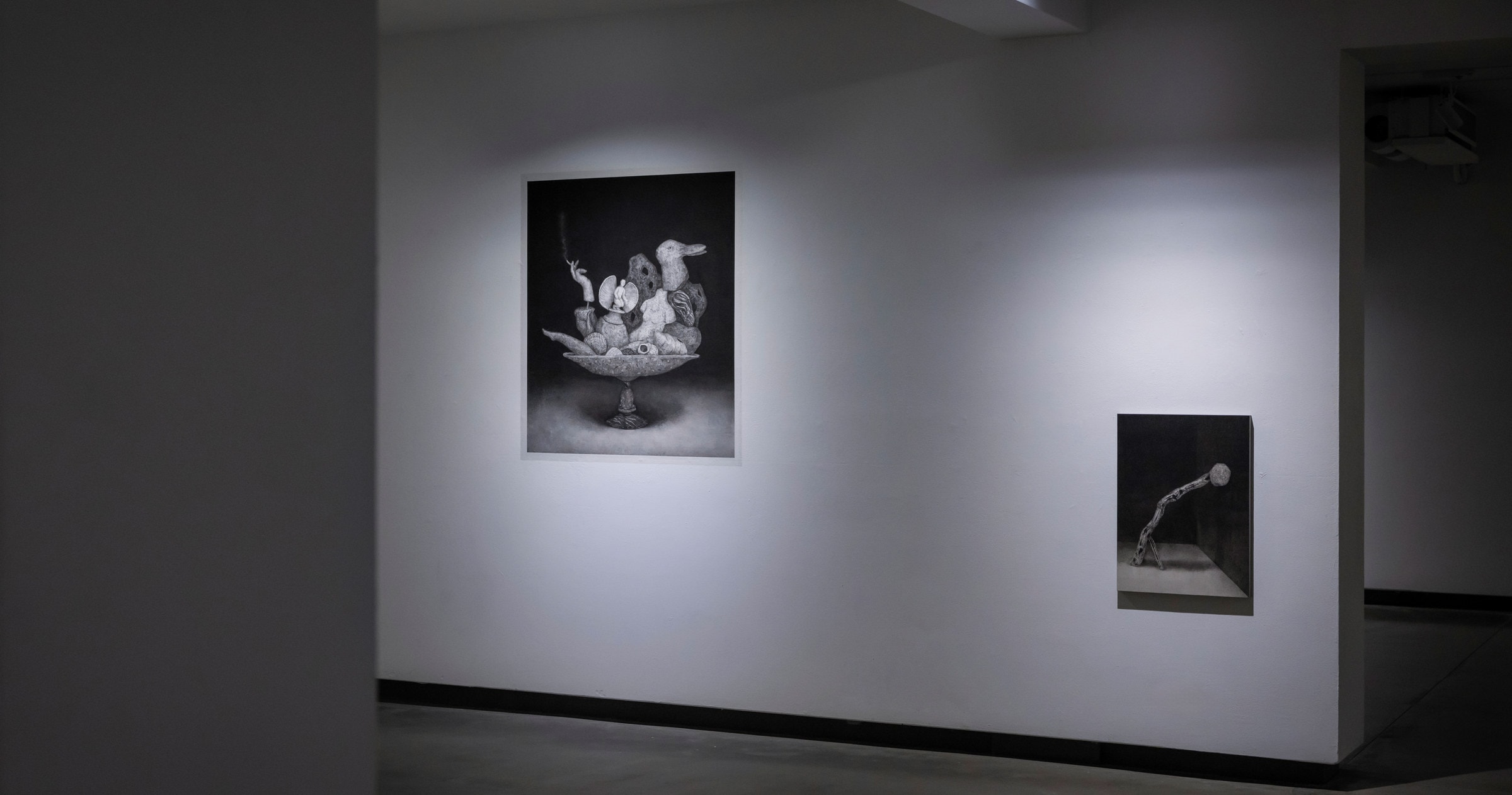
林中的場景荒誕地熱鬧又安靜,那些來自於異時空、異文化、異材質的碎塊局部,以臆想之外的方式被接合、重組,就在枯木的間隙裡,不完整的物件構成另一種新的整體,自顧自地舉辦起派對、野餐、家家酒,組織無聲無歌的行進樂隊;又或者它們既胡亂又微妙地集結一處,聚合成似曾相識又似是而非的物象:不是小屋的小屋、不是聖代的聖代、不是籠鳥的籠鳥。在此等錯位中所產生的異樣感受,一方面梗塞著當代人慣習的認知偏誤,阻卻定見的快速生成,從而開闢出懷疑思考的蹊徑;另一方面又作為當前時代接收資訊模式的參照,如剖面般地揭露當代人在整體概念之下的認知細節,實在是參差錯雜。
當代的「皴法」方足以投射當代人的心理狀態
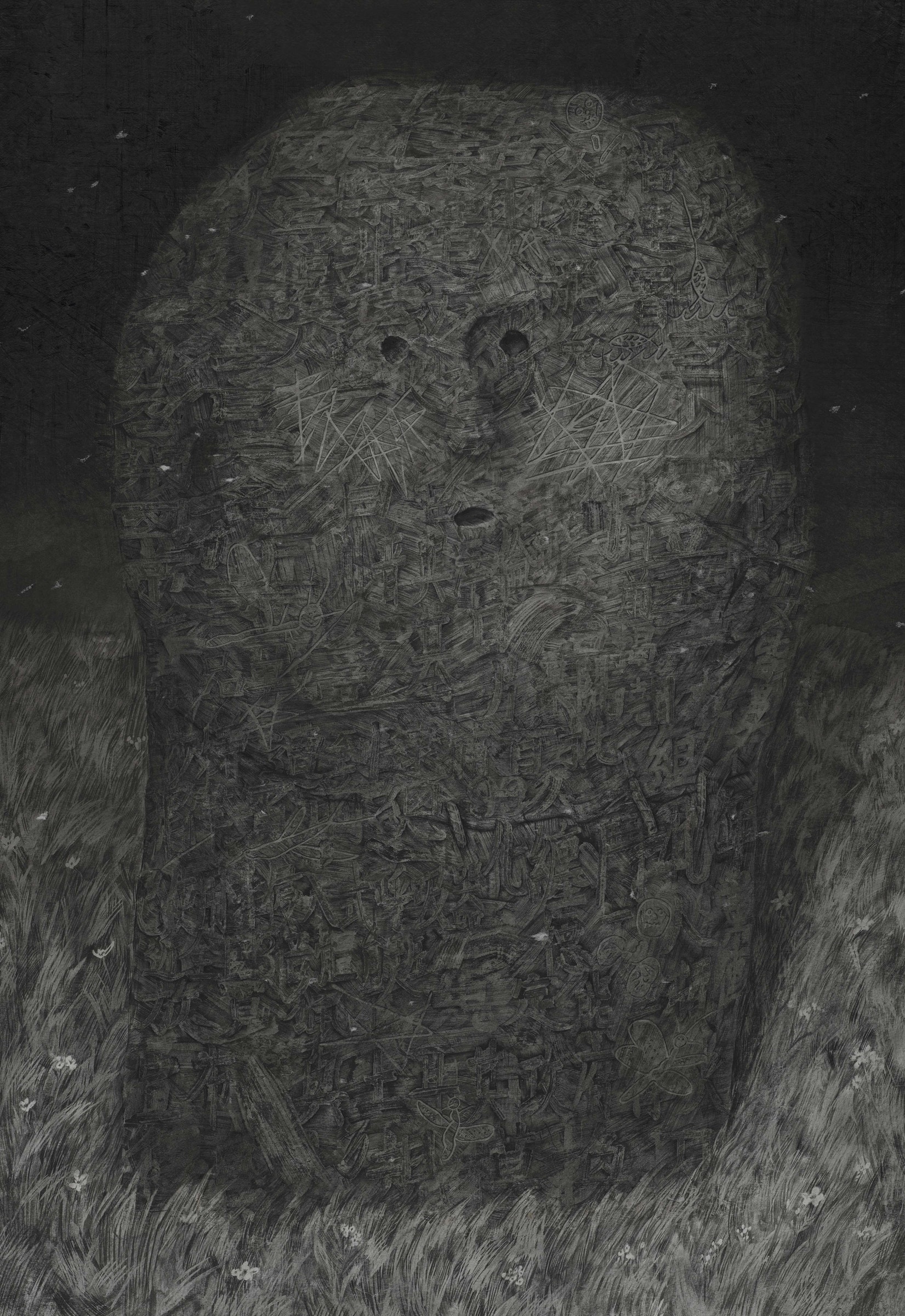
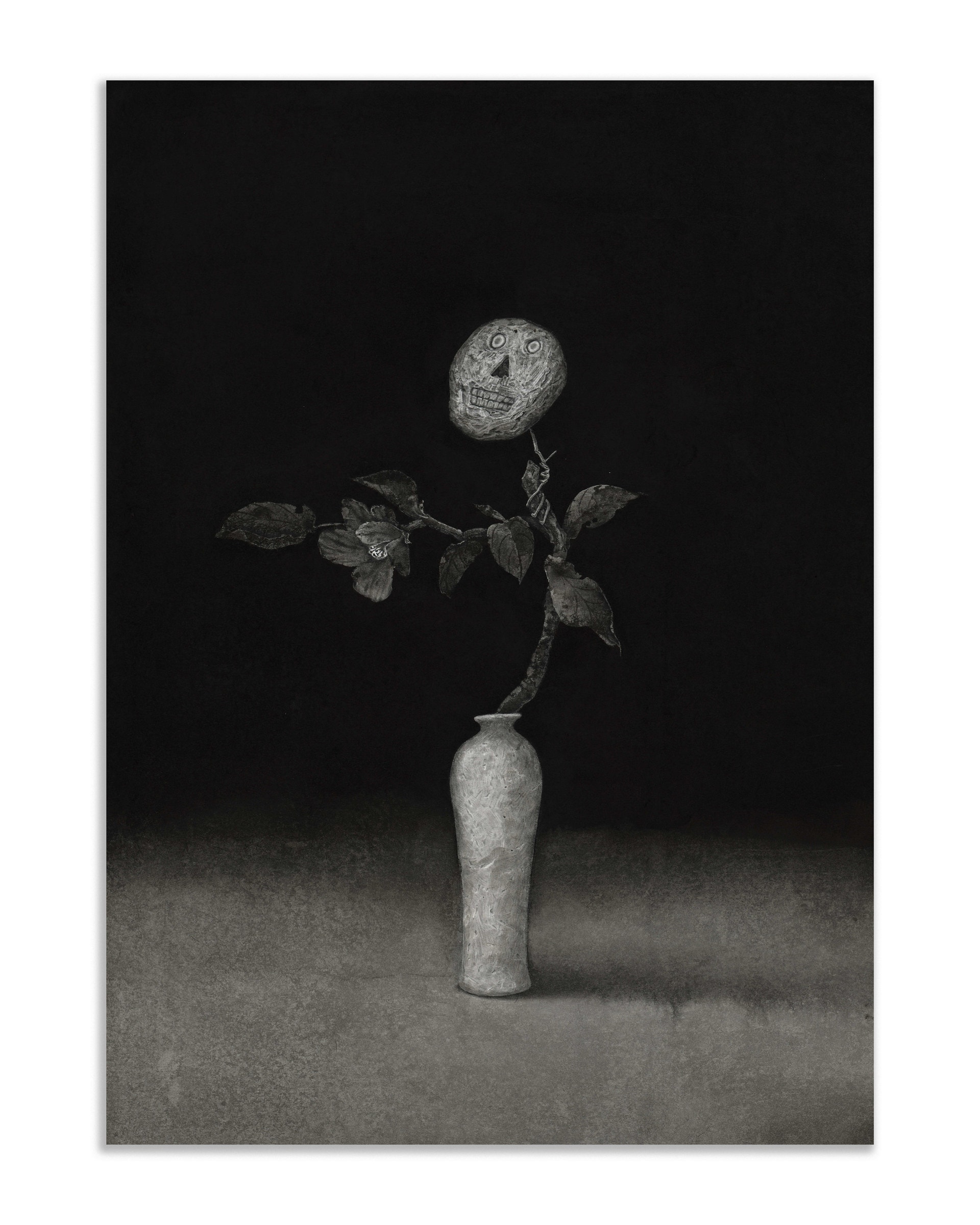
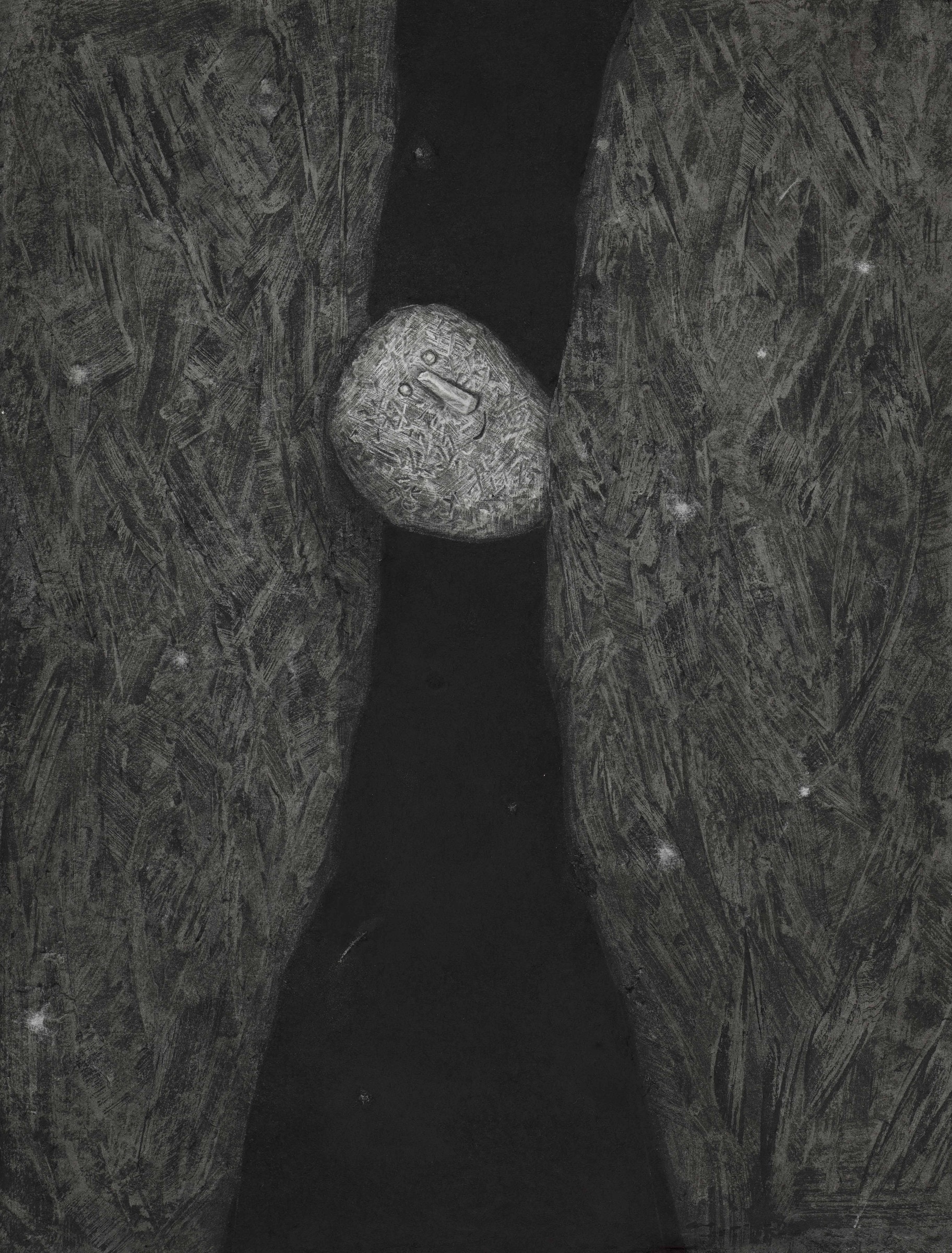
因應這般混沌且不斷變動的時代特性,以及當代人奇異的心理狀態,顏妤庭投注思索並發展出獨具個人特色的繪畫「皴法」。傳統意義上的水墨畫「皴法」,是一種用以表現描繪對象的肌理而產生之特殊繪畫筆法的統稱,後又引申為寄託心靈的象徵符號,在過去漫長的歷史中,不同的時期,皆發展出了對應當下時代的新皴法,這成為了顏妤庭探究個人皴法的主要契機。其皴法來自於反覆抄寫海量的新聞訊息於圖像上,形成兼具視像與心理的肌理,投射出當代人的心境狀態;同時在意義層面承接傳統中「書畫合一」的脈絡,卻用一種截然不同的方式開啟了新局。爬梳顏妤庭過往的創作歷程,可以觀察到這樣的繪畫思考濫觴於2018年駐村在韓國光州市立美術館時的嘗試,隨後在2021年「殘章與斷片」、2023年「殘片」兩回個展中持續發展,到本次的個展中趨於成熟,並且更加自在靈活,令品讀的趣味益發醇厚。
想來膽敢於夤夜啟程的漫遊者,那些通往新世界的線索,俯拾即是。
Artist Statement for Nocturnals by Yen Yu-Ting
My solo exhibition Nocturnals is like “a night walk through the forest.” Taking the traveler, ruins, and withered trees as recurring motifs, I construct a series of encounters that feel strangely familiar, yet remain difficult to name.
Continuing my recent reflections on news, memory, and painting, I borrow from and translate the language of traditional ink painting in order to capture the observations and sensations I experience in the present: an age of information overload, and of fragmented states of mind and memory. For me, Nocturnals is not meant to build a grand or complete narrative. Rather, it is a series of active attempts—made along the paths of painting and everyday life—to observe, gather, take apart, transform, and reassemble.
Since 2020, my primary medium has gradually shifted from mineral pigment painting to ink. Around the same time, I began exploring the possibility of incorporating “daily news” into cunfa, or texture strokes. Through the repeated act of transcription, I bring news text into the image, transforming cunfa—traditionally used to describe the texture of rocks and mountains—into a psychological texture that connects writing, information, and memory. Through this process of translation, I continue the ink painting tradition of the unity of calligraphy and painting, but through a different path. Here, writing is no longer used to record or convey ideas. Instead, through layer upon layer of transcription, vast amounts of contemporary information scatter, intertwine, and accumulate over time. In the end, the specific content of the written words is transformed into a texture resembling a rubbing of bronze and stone inscriptions, becoming a kind of sediment of contemporary memory.
My recent work has been inspired by Wu Hung’s research on images of ruins in Chinese and Western painting. Taking as a point of departure the sense of nostalgia and the dialogue between past and present created by the juxtaposition of the traveler, the stele, and the withered tree in ink painting, I construct a site of ruins that crosses time, space, and culture. The large-scale paintings in the exhibition depict ruined steles and sculptures scattered through the mountains and forest. They resemble monuments left behind by history, yet also look like defective cast-offs casually discarded by a molding factory. Within this imagined site of ruins, the stele points to the formation of order, consensus, and history; the withered tree suggests the ways memory changes, declines, and returns over time; and the traveler—that is, the viewer in the exhibition space—becomes a passing witness, sensing the passage of time and the rise and fall of memory and history.
At the same time, I try to construct nameless remnants of many different forms through a playful and paradoxical method of assemblage. They may look like birds, beasts, Buddhas, ghosts, or even an ordinary fragment of daily life. Yet my aim is not to depict any specific event or object. What interests me more is the process of testing out various ambiguous graftings, and of placing within them clues for looking and gaps for imagination. These dislocated assemblages ask viewers to remain between recognition and doubt. They slow down the quick completion of understanding, and invite viewers to take part in the process of selection and forgetting, generating different readings and interpretations.
For me, Nocturnals is a memory site still in motion. The ruins of different forms that appear in the paintings are only temporary assemblages. The purpose of painting is not to offer answers or explanations, but to provide, from my point of view, an entry point into the shifting relationship between time, events, memory, and history.